
Social Media Marketing
In Part 1, we explored how design in 2026 is becoming more human shaped by judgment, intention, and emotional clarity rather than speed or perfection. But these changes don’t stop at how things look or feel.
As visual language evolves, brands are being pushed to rethink something deeper: how identity works across platforms, formats, and time. Design is no longer just an aesthetic layer. It has become a system that must adapt, communicate consistently, and reflect values in a crowded and fast-moving digital environment.
As design becomes warmer and more expressive, consistency takes on a new meaning.
For years, brand consistency was defined by sameness. Logos, colors, and layouts were expected to look identical everywhere. In 2026, that approach feels increasingly restrictive. Brands no longer communicate in one place or to one audience. They exist across social platforms, websites, apps, video formats, and campaigns that each impose different constraints and expectations.
This is why adaptive brand systems are becoming the norm.
Rather than relying on a single, fixed identity, brands are building flexible systems that can adjust without losing recognition. The goal isn’t to change who you are, but to express it appropriately depending on context. Identity becomes responsive instead of rigid.
Audiences notice this shift intuitively. When visuals feel designed for the space they appear in, content feels more relevant and intentional. It no longer looks repurposed or resized as an afterthought. That sense of fit builds trust and improves engagement.
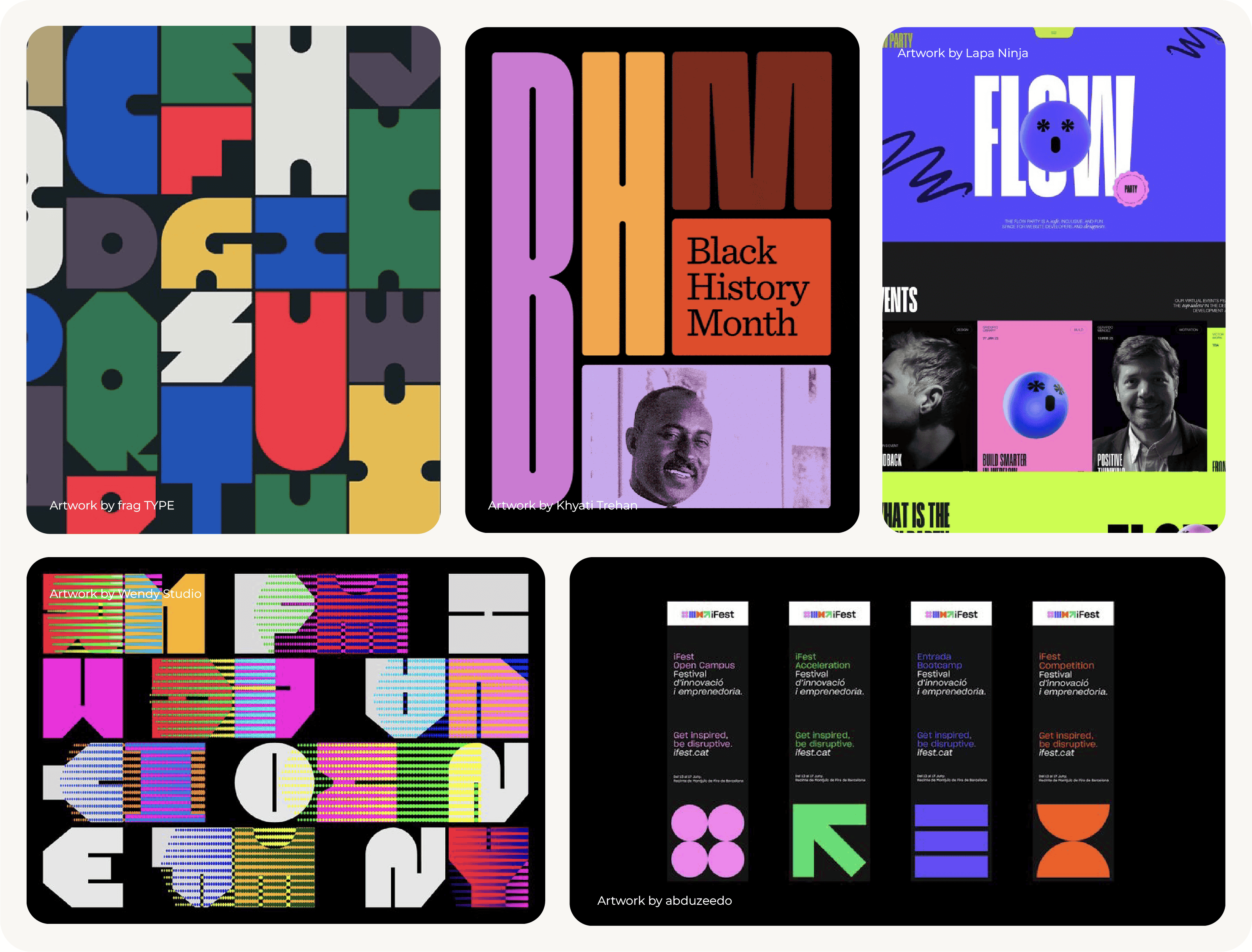 Adaptability often begins with visual elements themselves. Logos may subtly adjust in scale or layout depending on where they appear. Core colors remain familiar, but their balance shifts to suit different backgrounds or formats. The identity stays recognizable while becoming more flexible.
The same logic applies to content formats. Instead of creating entirely new assets for every channel, brands develop variations that respect platform behavior and audience expectations. A message on social media may be concise and visual, while the same idea on a website can unfold more gradually. The system supports difference without fragmentation.
At a structural level, many brands are adopting modular design. Visual components are created as reusable building blocks that can be rearranged and combined as needed. This approach keeps production efficient while preserving coherence. Teams can scale content, experiment safely, and update materials without losing control.
In 2026, adaptability is no longer a risk. It’s a strength.

As brand systems become more flexible, identity can no longer rely on visuals alone.
In 2026, brands are increasingly recognized not just by how they look, but by how they sound. Short audio cues, background music, and tonal consistency across video content have become essential parts of brand expression. Sound now works alongside visuals to shape perception and emotional response.
This shift is closely tied to how content is consumed. Video has become a dominant format across platforms, and much of it is experienced with sound on. In these moments, audio often sets the tone before a logo appears or a message is read. A familiar sound can signal who the content belongs to instantly.
That immediacy is what makes sound such a powerful branding tool. Audio reaches people emotionally, often faster than visuals. A well-chosen sound can convey energy, calm, or trust almost subconsciously. Over time, repeated exposure builds familiarity, turning sound into a recognizable signature rather than a background element.
This is why many brands are investing in audio intros and outros. Short, consistent sound cues act as anchors, helping audiences identify content across platforms and formats. Even as visuals adapt, sound provides continuity.
Background music plays a more subtle but equally important role. It supports the message without competing with it, shaping mood and pacing while allowing visuals and narration to remain clear. When chosen intentionally, music strengthens storytelling and makes content feel cohesive rather than assembled.
At the same time, adaptability remains essential. Modern content must work with sound on and off. Clear subtitles, readable typography, and thoughtful pacing ensure accessibility across environments. Sound enhances the experience, but it doesn’t become a barrier.
In mature brand systems, sound is no longer added at the end. It’s considered from the beginning part of the system rather than a finishing touch.
As brand systems grow more complex and expressive, another shift quietly reshapes creative priorities: a move toward slowing down.
In 2026, many brands are stepping away from the pressure to produce constantly. Instead of chasing volume, they are focusing on clarity, usefulness, and longevity. This reflects a growing understanding that not every message needs to be louder or faster. Sometimes, it needs to be more deliberate.
Audiences feel this difference immediately. When content is created with restraint, it becomes easier to process. Layouts feel cleaner. Messages land more clearly. Digital spaces feel less overwhelming. In an environment defined by noise and speed, thoughtful design creates breathing room.
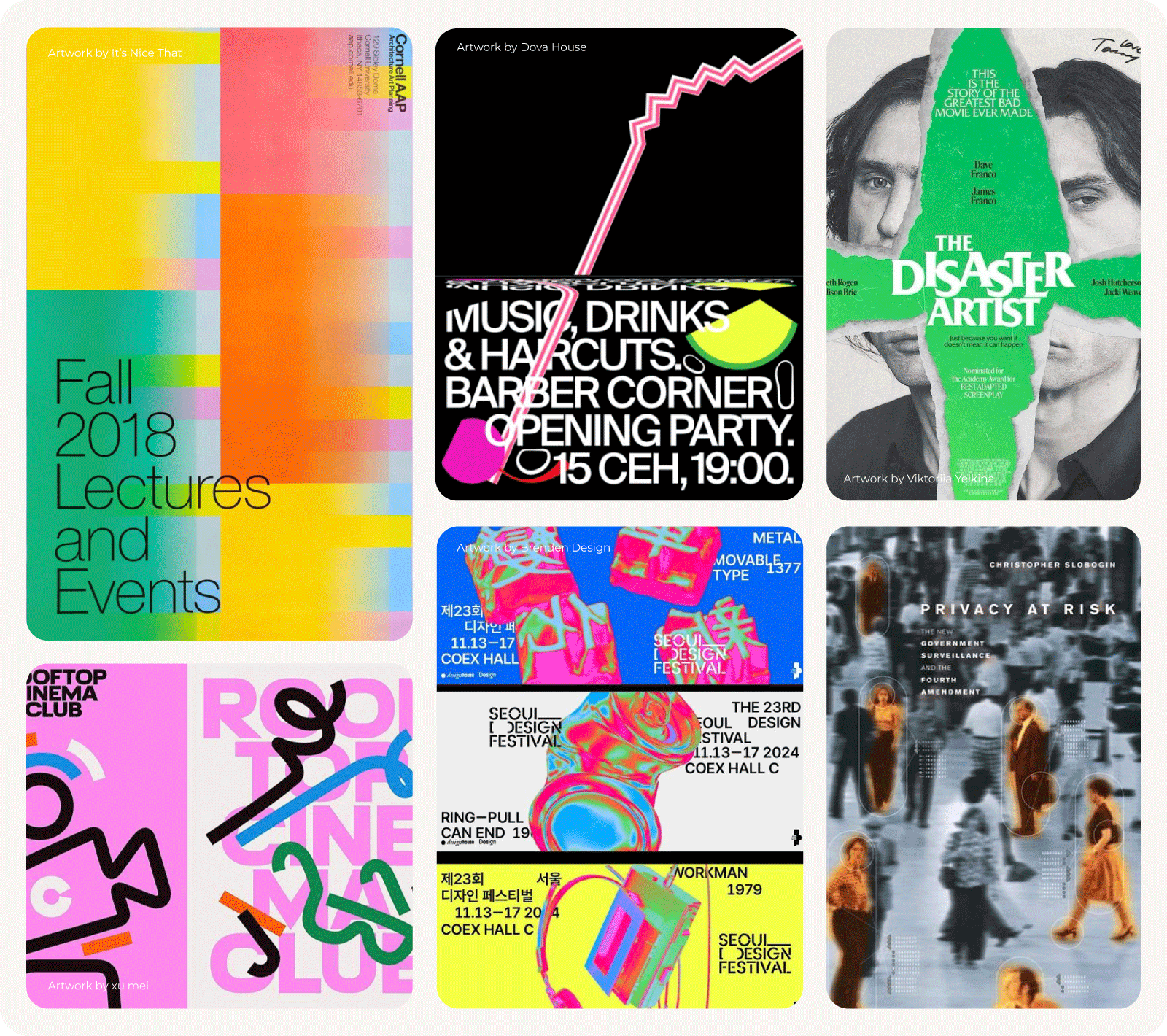 This shift also changes how success is measured. Performance is no longer tied only to frequency or output. It’s increasingly connected to experience. Faster-loading visuals, intuitive navigation, and accessible design choices improve usability while reducing friction. Responsible design benefits both people and platforms.
Accessibility plays a central role here. Readable typography, sufficient contrast, and subtitles are no longer optional enhancements. They are baseline expectations. Designing for inclusion improves clarity for everyone and makes content more effective overall.
Efficiency, too, takes on a new meaning. Rather than producing disposable visuals, brands are investing in assets that can be reused, adapted, and extended over time. Modular components, reusable scenes, and flexible templates reduce repetitive work while preserving consistency. Creativity becomes more sustainable, not just more productive.
This slower approach doesn’t signal a lack of ambition. It reflects confidence. Brands that prioritize intention over volume trust that their message doesn’t need constant reinforcement to be heard.
Ultimately, responsible design is about respect for the audience’s attention, for creative resources, and for the broader digital environment. It recognizes that impact isn’t always immediate, but it is lasting.
Conclusion: Design in 2026 Is About Choice
By 2026, nearly everyone has access to powerful creative tools. Templates, AI, and automation have lowered the barrier to production. What differentiates brands now is not what they use, but how they choose.
Adaptive systems, sound-driven identity, and responsible design all point to the same conclusion. Design has become less about trends and more about judgment. Less about output, and more about intention.
In a world where everything is possible, the most meaningful work comes from choosing what truly matters.
Share this


Article by: Renderforest Staff
Dive into our Forestblog of exclusive interviews, handy tutorials and interesting articles published every week!
Read all posts by Renderforest Staff