AI
AI video editors are everywhere now. Some promise one-click social clips. Some edit podcasts from a transcript. Some generate captions, remove pauses, clean audio, resize videos, translate subtitles, or turn a script into a draft video. Some are professional editing suites with AI features. Others are browser-based tools built for speed, collaboration, and brand consistency.
That is useful, but it also makes choosing harder.
The best AI video editor for a YouTuber is not always the best one for a training team. The best tool for podcast editing may not help much with branded product ads. A professional editor may need deep timeline control, while a small business may need templates, captions, and a faster way to publish.
This guide compares the best AI video editors in 2026 by workflow, use case, strengths, limitations, and pricing model. The goal is not to name one universal winner. The goal is to help you choose the editor that fits the kind of video you actually need to make.
The best AI video editor depends on what you need to edit.
Renderforest is a strong all-in-one option for creators, marketers, small businesses, educators, freelancers, and teams that want AI-assisted editing, templates, branding, voiceovers, scene customization, and exports in one browser-based workflow. Renderforest’s AI video editor lets users start with a prompt, script, or uploaded media, generate editable scenes, then refine text, visuals, transitions, music, aspect ratio, language, and layout before exporting.
Descript is best for podcasts, interviews, screen recordings, and talking-head videos because it lets you edit video and audio through text. Runway is better for creative AI editing, masking, background removal, and generative visual work. Kapwing, Flixier, and WeVideo are useful for browser-based collaboration and social content. DaVinci Resolve and Avid Media Composer are stronger for professional and enterprise editing workflows. Synthesia is best when the “editing” workflow is really avatar-led training or internal communication.
For most users, the best AI video editor is not the most advanced one. It is the one that matches your content format, editing skill level, team workflow, brand needs, and publishing channel.
If you already know what kind of video you need to create, start here.
An AI video editor is a video editing tool that uses artificial intelligence to speed up editing tasks such as trimming footage, generating subtitles, removing pauses, cleaning audio, creating voiceovers, resizing videos, translating captions, detecting scenes, removing backgrounds, applying templates, or generating visual effects.
Some AI video editors work like traditional timeline editors with AI features built in. Others are browser-based and focus on templates, captions, collaboration, and social media exports. Some are closer to AI video generators because they can create draft scenes from prompts, scripts, or uploaded media.
The simplest way to think about it:
For example, Renderforest has both an AI video editor and an AI video generator. The editor is useful when you want to start from a prompt, script, or uploaded media and still customize scenes, text, visuals, music, transitions, layout, and export format. The generator is more focused on creating a video draft from an idea, text, image, or script.
If you only need a quick AI-generated clip, use a generator. If you need a polished video that matches a brand, campaign, or channel style, choose a tool that also gives you editing control.
We compared each tool based on real production needs, not just AI buzzwords. A good AI video editor should save time, but it should also leave room for human judgment, brand control, and final cleanup.
Pricing changes frequently, especially for AI tools that use credits, export minutes, storage limits, and team seats. Treat any pricing information as a starting point and check each tool’s pricing page before choosing a plan.
The right AI video editor should help you move faster without making your video feel generic. Look for:
The best AI video editors do not remove the need for human taste. They remove the repetitive work that slows good editing down.
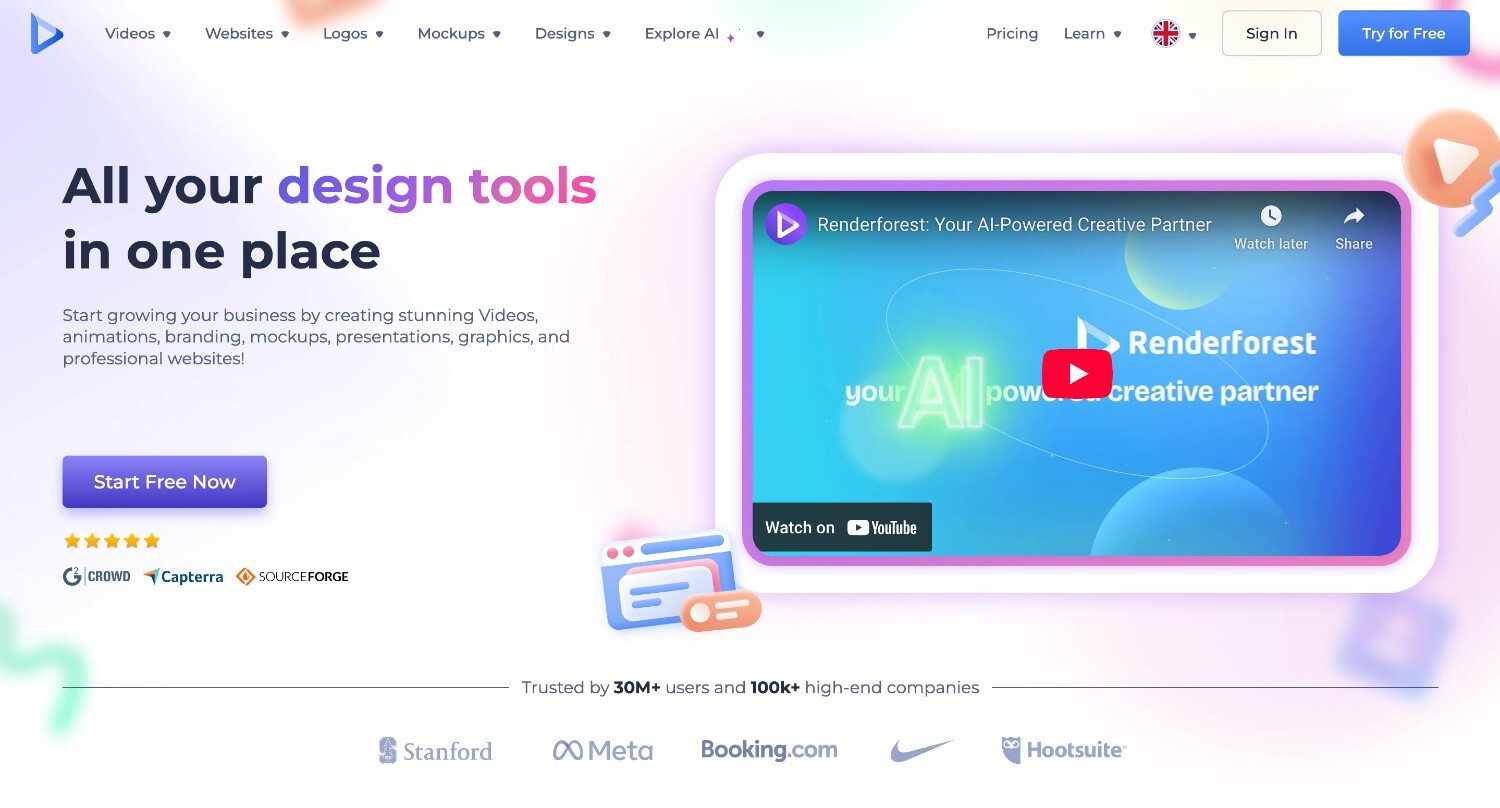
Renderforest is the strongest fit for marketers, small businesses, freelancers, educators, content teams, agencies, and creators who want AI-assisted editing, templates, branding, voiceovers, and export options in one browser-based workflow.
It is especially useful when you want to create a polished video without building everything from scratch or learning a complex professional editing suite.
Best for: all-in-one branded AI video editing
Best user: marketers, small businesses, creators, educators, freelancers, agencies
Platform: web-based
Pricing note: free and paid options are available; check Renderforest’s current pricing before publishing
Renderforest lets you start a project with uploaded media, a script, or a prompt. The editor can generate initial scenes and then let you customize them individually. You can adjust text, visuals, transitions, music, aspect ratio, language, and layout before export.
Renderforest also connects naturally with related tools like its text-to-video AI and online video editor, which makes it useful for teams that need more than simple trimming or captioning.
Renderforest is not meant to replace advanced desktop editors for professional film editing, deep color grading, or complex multi-camera productions. It is strongest as an all-in-one, browser-based AI editing workflow for people and teams that need polished branded videos faster.
You want AI-assisted branded video editing without a steep learning curve. It is a strong choice when you need editable scenes, templates, brand consistency, and social-ready exports in one workflow.
You need deep professional timeline control, advanced color grading, or enterprise studio-level editing. In those cases, DaVinci Resolve or Avid may be a better fit.
Descript is one of the best AI video editors for podcasts, interviews, screen recordings, webinars, and talking-head videos. Its main strength is text-based editing: you can edit audio or video by editing the transcript.
Best for: podcasts, interviews, talking-head content, screen recordings
Best user: podcasters, YouTubers, educators, course creators, interview creators
Platform: desktop and web-based workflows
Pricing note: check Descript’s current pricing page before choosing
Descript is not the best choice for highly visual marketing videos, cinematic edits, or heavily designed brand videos. It is strongest when you already have footage or audio and want to edit the spoken content faster.
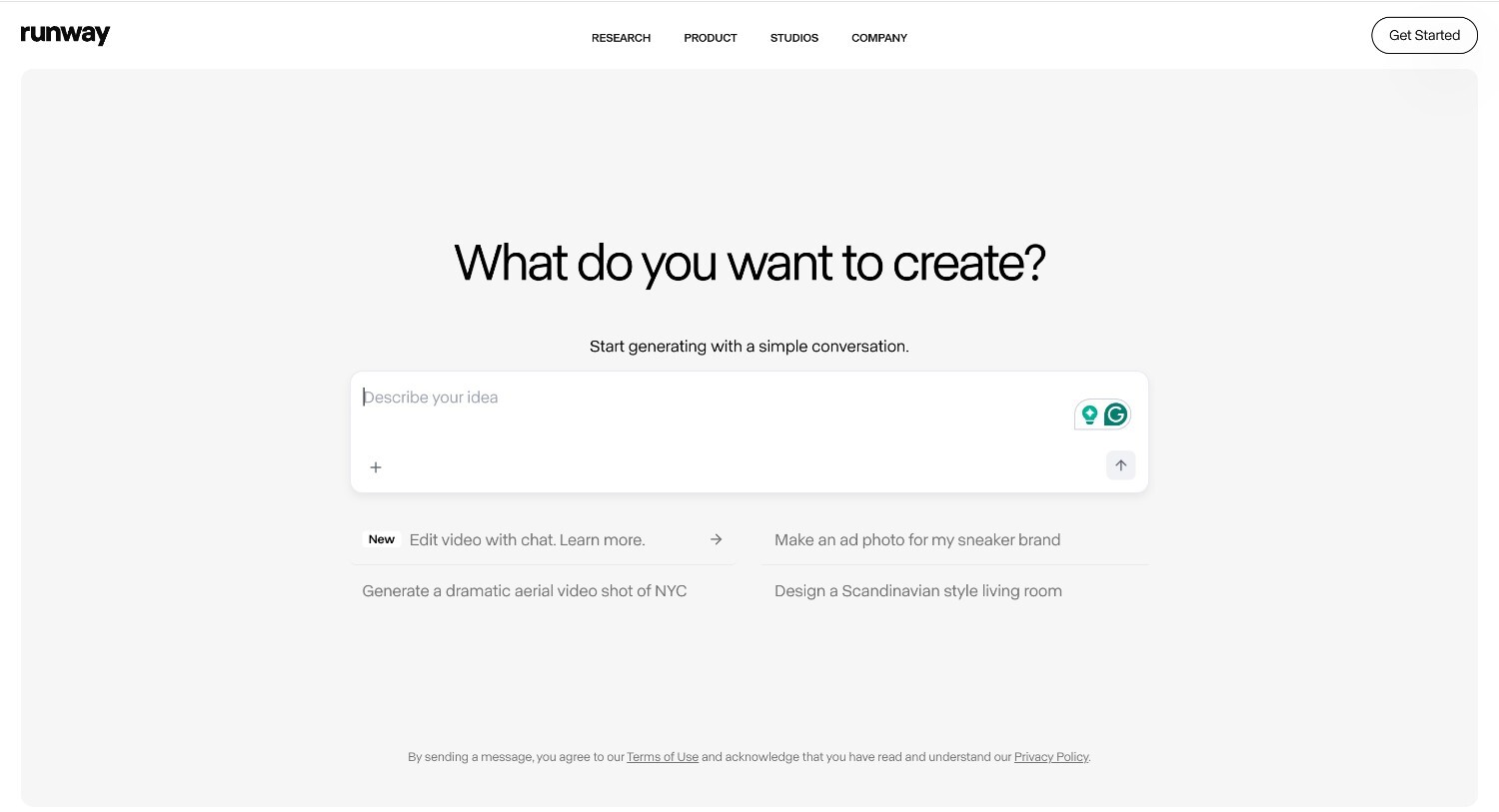
Runway is best for creators and teams that want AI-powered creative editing tools, including masking, background removal, motion tools, and generative video features.
Best for: generative creative editing, visual effects, experimental video
Best user: designers, creative teams, video artists, agencies, experimental creators
Platform: web-based
Pricing note: check Runway’s current pricing page before choosing
Runway is useful when AI is part of the creative process, not just the editing process. It can help with effects, visual transformations, background work, and generative experimentation.
You want creative AI tools for effects, generated visuals, experimental video, or design-led campaigns.
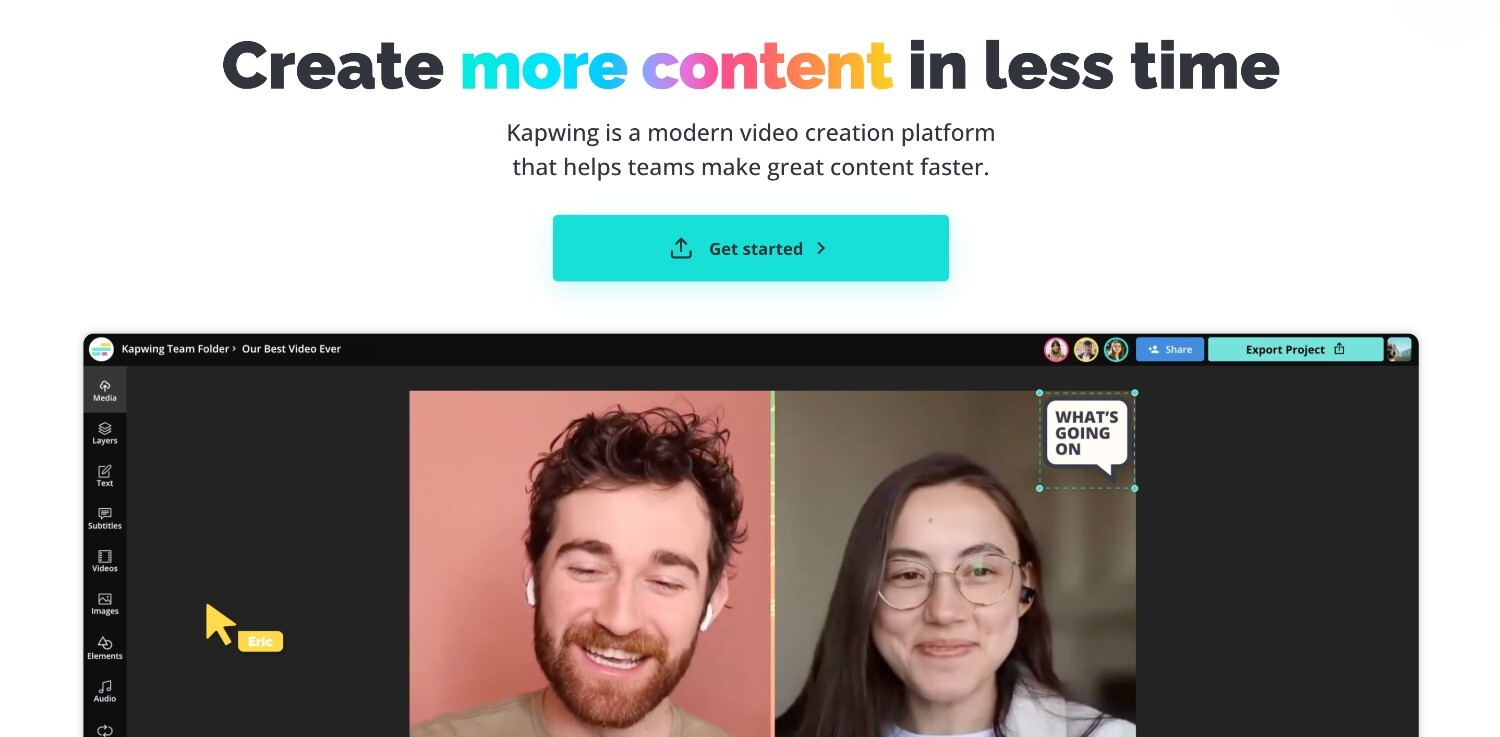
Kapwing is a browser-based editor that works well for captions, subtitles, short-form videos, social clips, and small-team editing.
Best for: captions, subtitles, social content, quick online editing
Best user: creators, educators, small businesses, social teams
Platform: web-based
Pricing note: check Kapwing’s current pricing page before choosing
Kapwing is useful when speed and accessibility matter. It is approachable for beginners and works well for social media editing tasks.
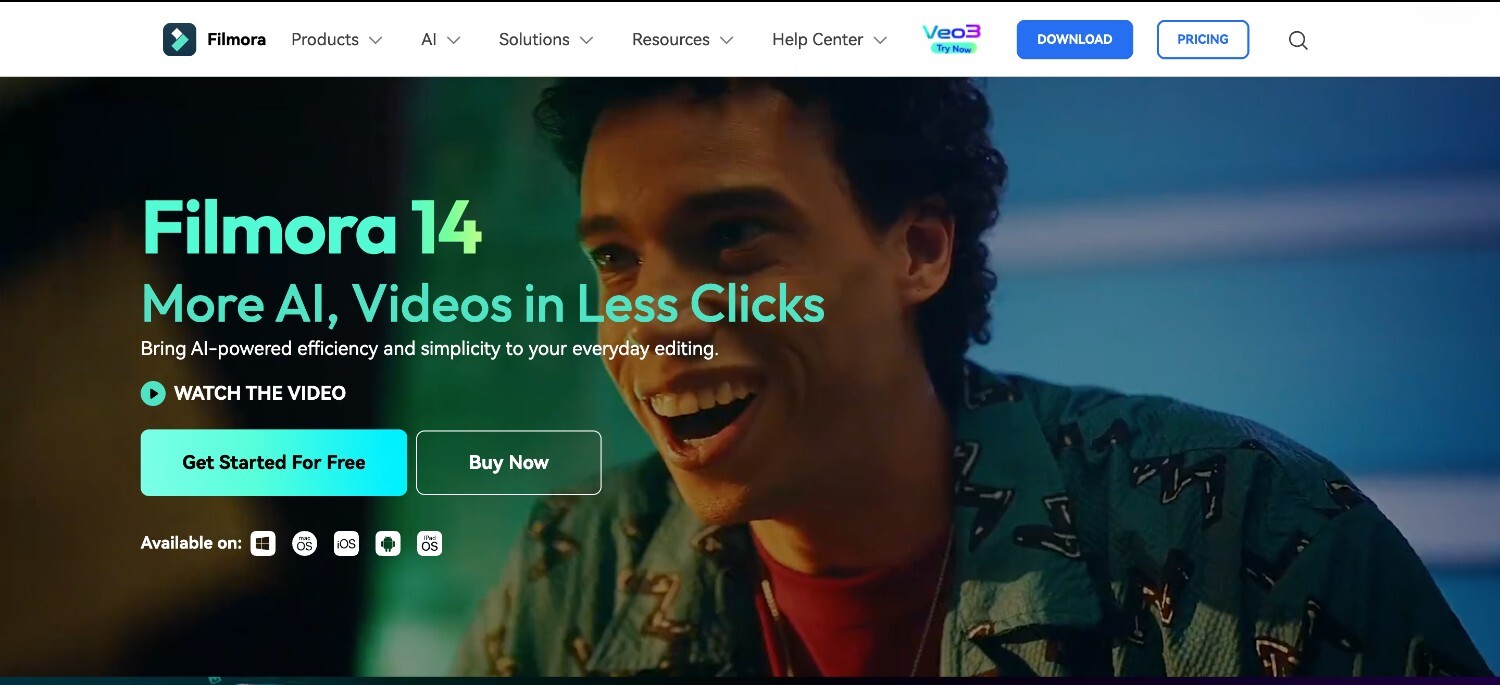
Filmora is a traditional timeline editor with AI-assisted features for creators, vloggers, YouTubers, and short-form video producers.
Best for: creator videos, vlogs, short-form editing, YouTube content
Best user: solo creators, YouTubers, vloggers, beginner-to-intermediate editors
Platform: desktop and mobile
Pricing note: check Filmora’s current pricing page before choosing
Filmora gives creators a familiar editing timeline while adding smart tools that make editing easier. It is a good middle ground between basic browser editors and advanced professional suites.
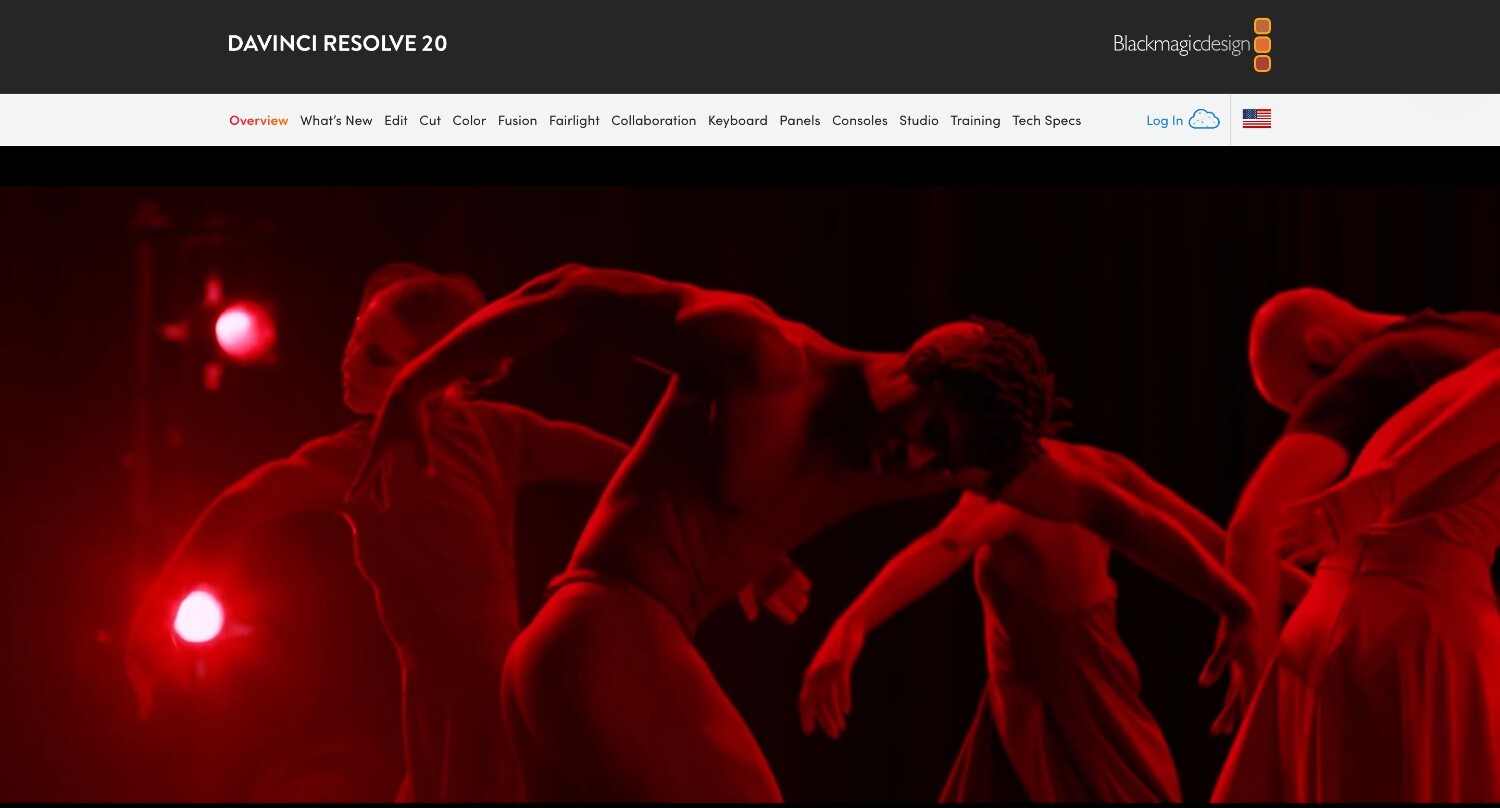
DaVinci Resolve is a professional-grade editor known for editing, color correction, visual effects, audio post-production, and finishing tools. Its AI-assisted features make it useful for advanced creators and professionals who need deep control.
Best for: professional editing, color, finishing, advanced post-production
Best user: professional editors, filmmakers, advanced creators, nonprofits, studios
Platform: desktop
Pricing note: free version available; check Blackmagic Design’s current product page for Studio pricing
DaVinci Resolve is powerful because it combines professional editing, color, effects, audio, and delivery in one desktop suite. The tradeoff is that the learning curve is much steeper than browser-based editors.
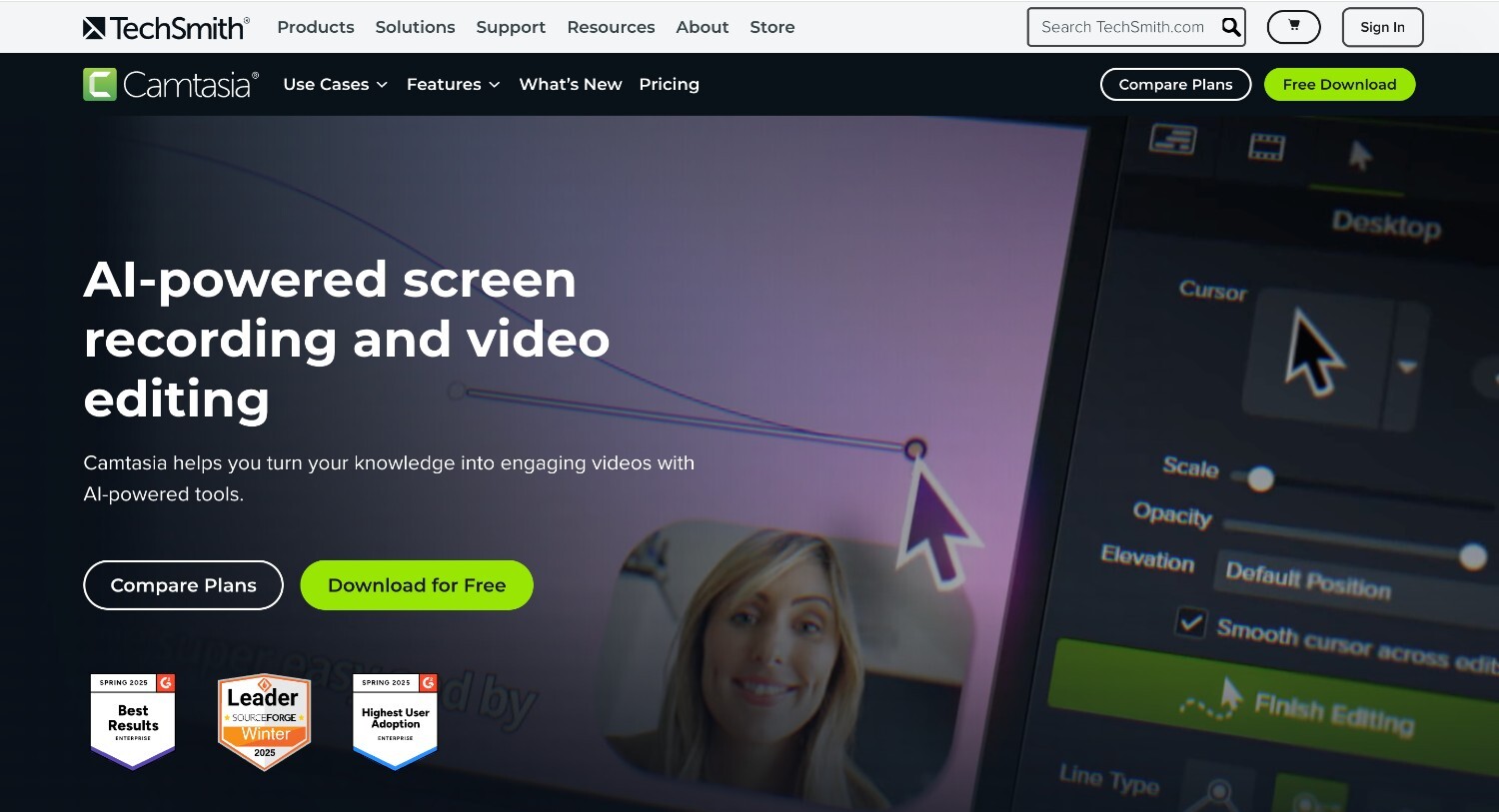
Camtasia is a strong choice for tutorials, training videos, software demos, screen recordings, and onboarding content.
Best for: training, tutorials, software demos, screen recording
Best user: educators, trainers, course creators, onboarding teams
Platform: desktop
Pricing note: check TechSmith’s current Camtasia pricing page before choosing
Camtasia is designed for teaching. It makes it easier to record screens, add annotations, highlight steps, and create clear instructional videos.
For more training-focused content, see Renderforest’s education and training video solutions.
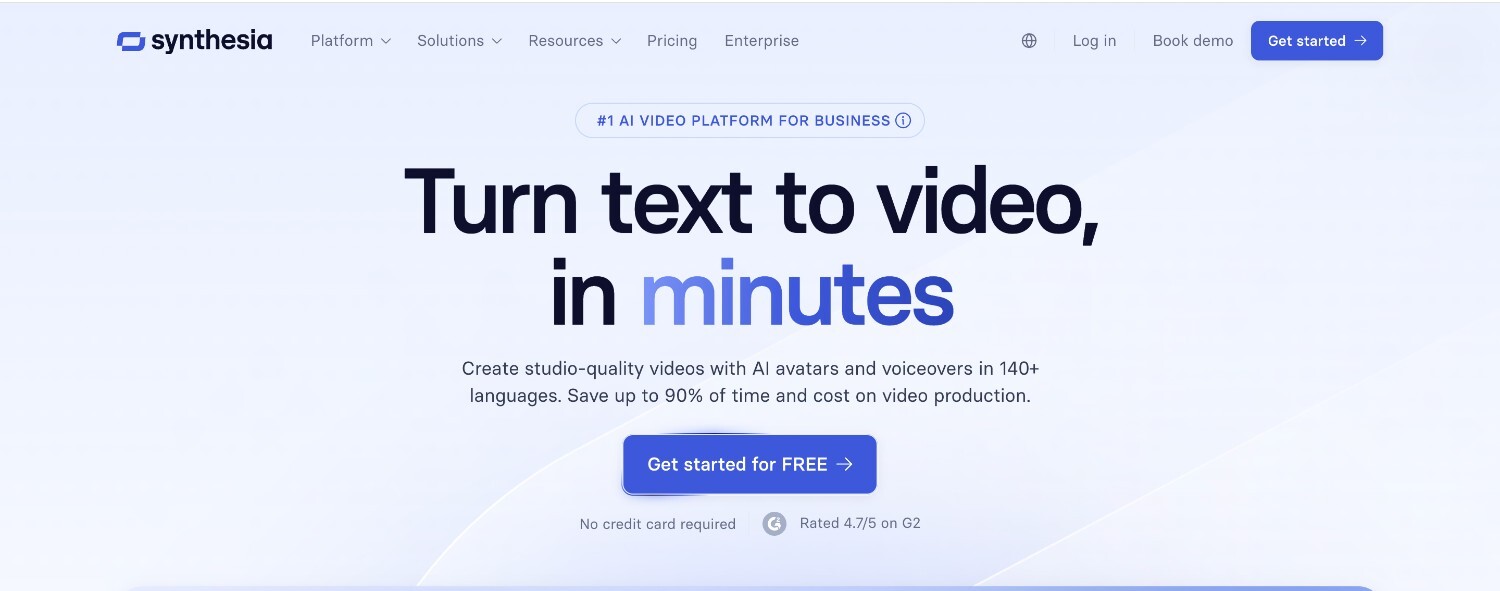
Synthesia is not a traditional footage editor. It is an AI avatar video platform built for training, internal communication, onboarding, and presenter-led explainers.
Best for: avatar-led training videos, internal communication, multilingual explainers
Best user: HR teams, L&D teams, enterprise teams, global organizations
Platform: web-based
Pricing note: check Synthesia’s current pricing page before choosing
Synthesia is useful when you do not want to film a presenter every time. You can turn scripts into presenter-led videos using AI avatars and voiceovers.
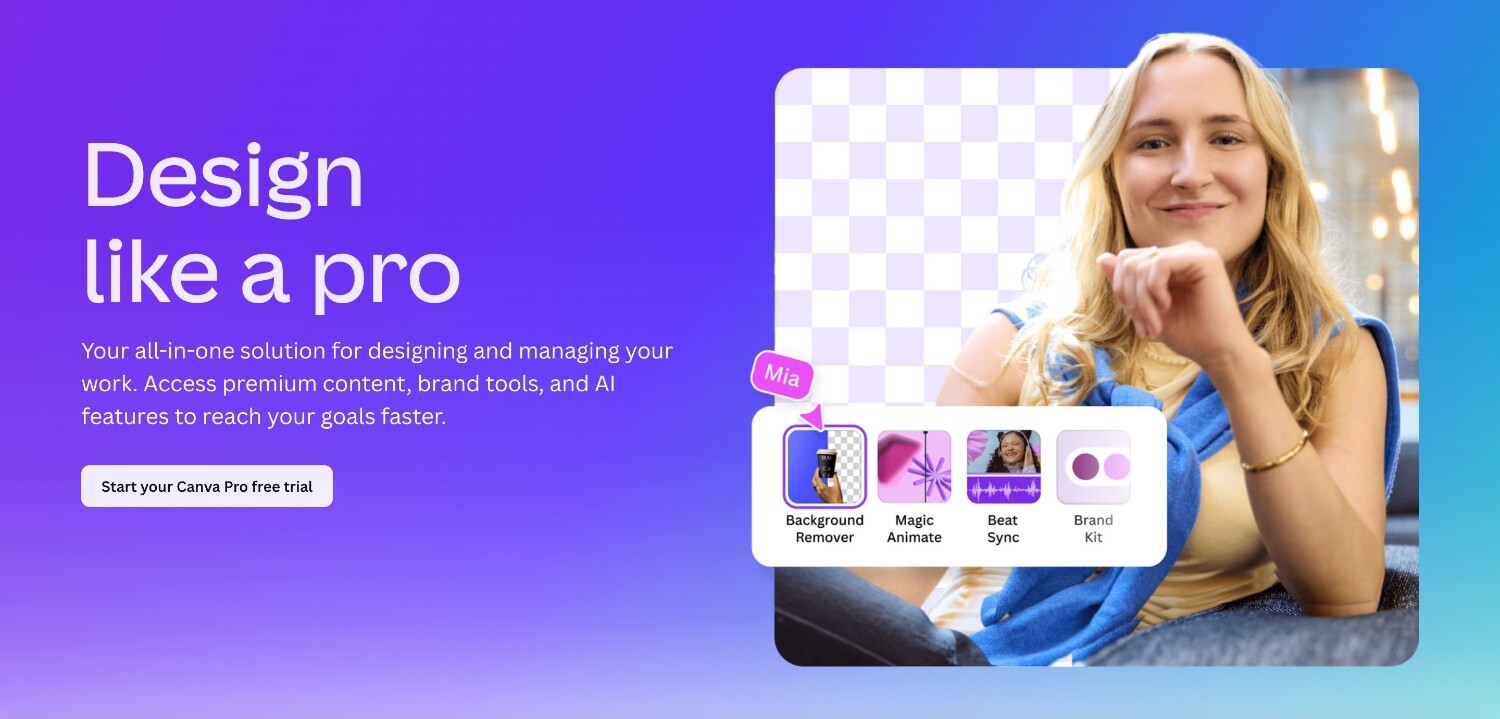
Canva Pro is best for marketing teams, small businesses, and social teams that already use Canva for design and want simple branded video editing.
Best for: branded template videos, social graphics, marketing assets
Best user: marketers, small businesses, social teams, non-designers
Platform: web-based
Pricing note: check Canva’s current pricing page before choosing
Canva Pro is strong when brand consistency matters more than advanced editing. It lets teams apply logos, fonts, colors, and templates across many assets.
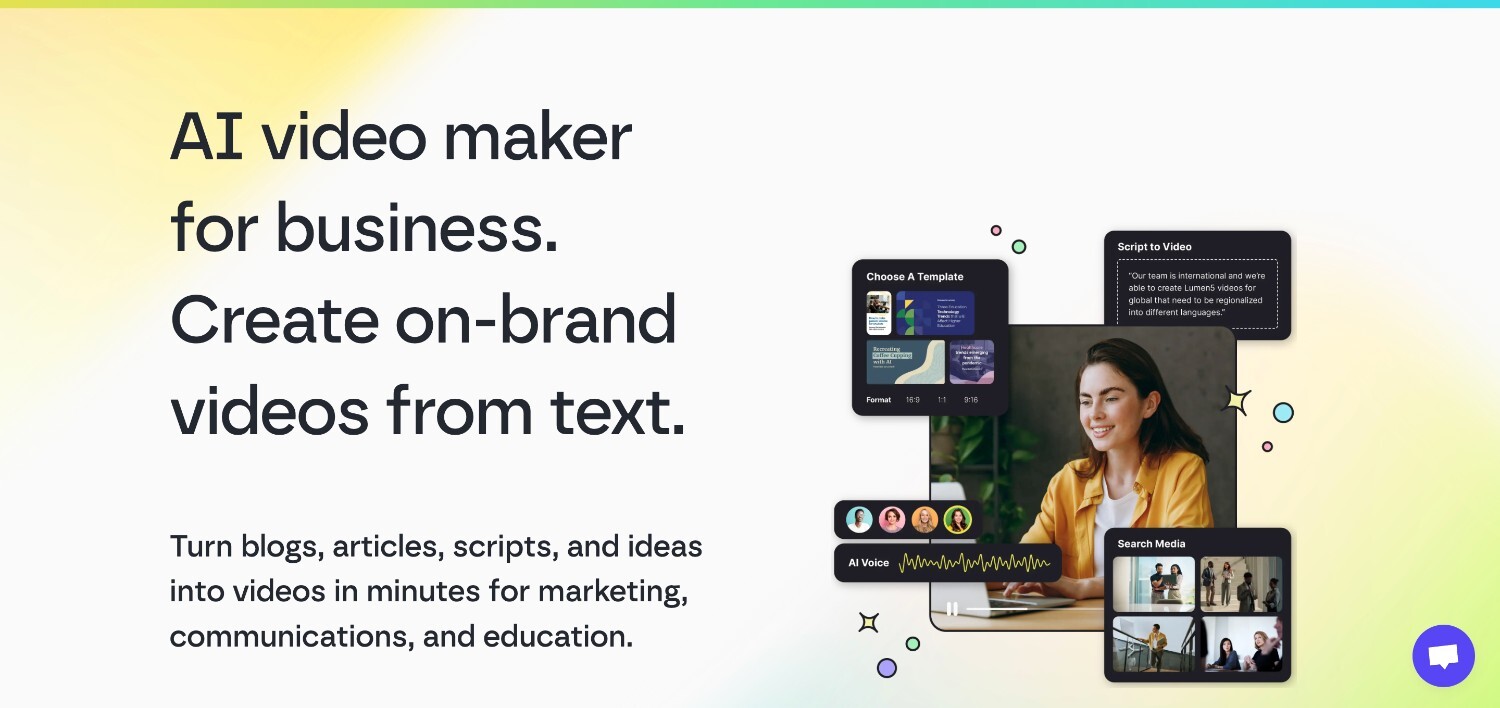
Lumen5 is built for turning blog posts, articles, scripts, and written content into videos.
Best for: blog-to-video, script-to-video, content repurposing
Best user: content marketers, publishers, educators, brand teams
Platform: web-based
Pricing note: check Lumen5’s current pricing page before choosing
Lumen5 is useful when your starting point is written content. It can help transform text into a visual sequence with stock media, captions, and templates. The main limitation is that outputs can feel template-based if they are not customized.
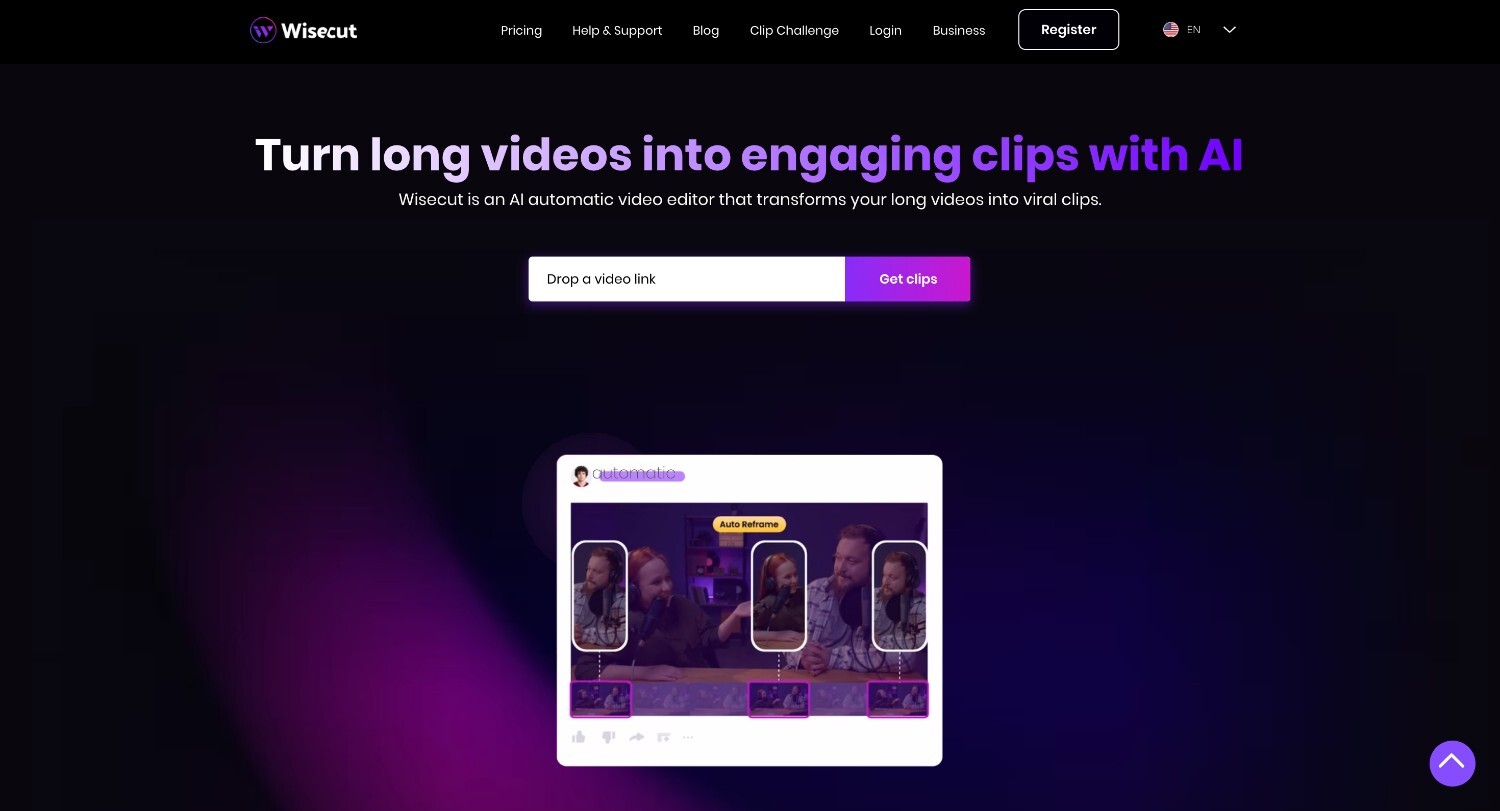
Wisecut is useful for creators who want to speed up talking-head, vlog, interview, and YouTube editing.
Best for: auto-cuts, YouTube videos, vlogs, talking-head content
Best user: solo creators, vloggers, YouTubers, course creators
Platform: web-based
Pricing note: check Wisecut’s current pricing before choosing
Wisecut focuses on repetitive editing tasks that slow down creators. It can help remove pauses, add captions, and make spoken videos tighter.
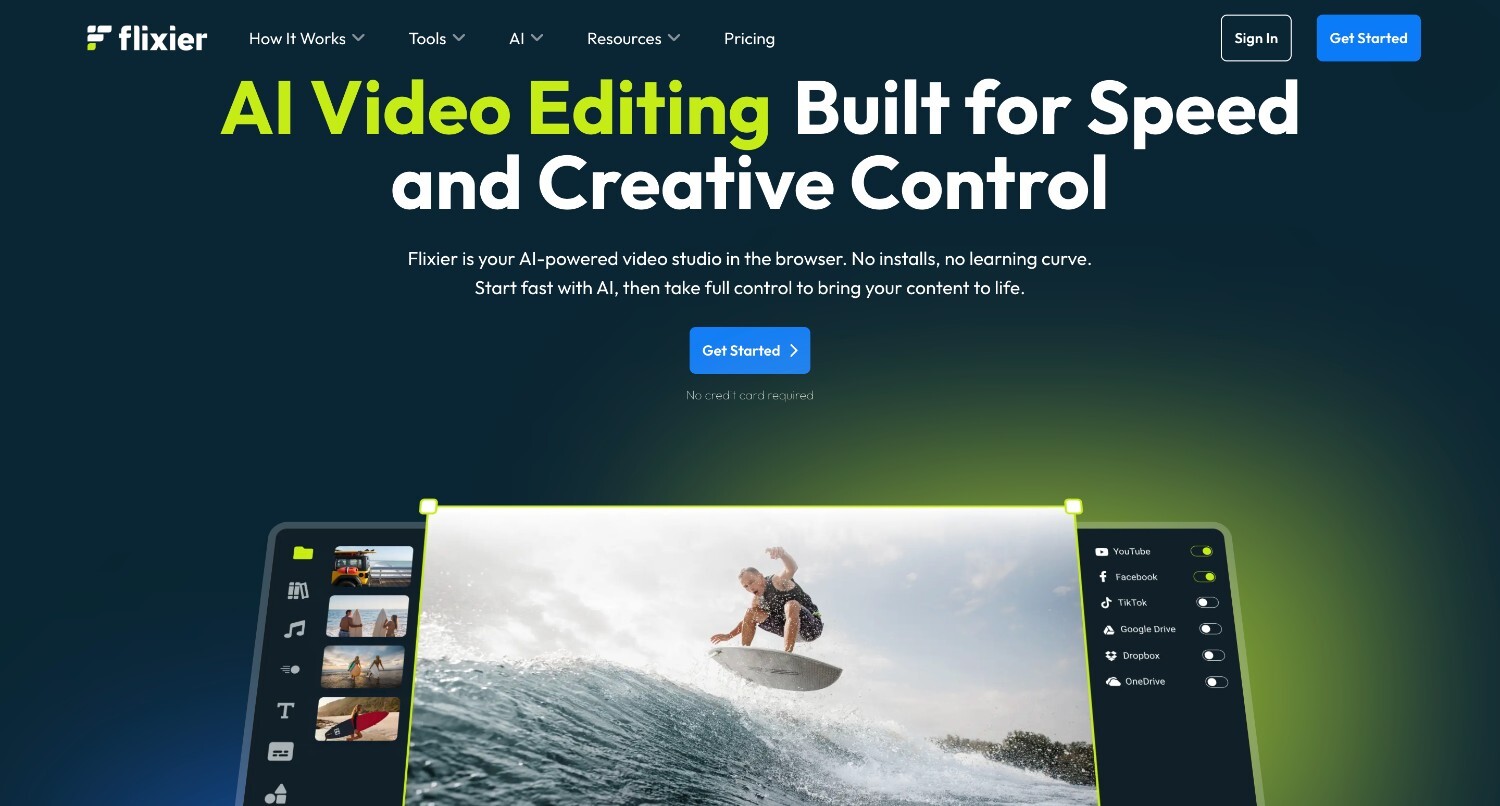
Flixier is a browser-based video editor built for speed, collaboration, and cloud rendering.
Best for: real-time collaboration, cloud editing, team video projects
Best user: distributed teams, agencies, educators, marketers
Platform: web-based
Pricing note: check Flixier’s current pricing page before choosing
Flixier is useful when multiple people need to work on video projects without passing large files back and forth.
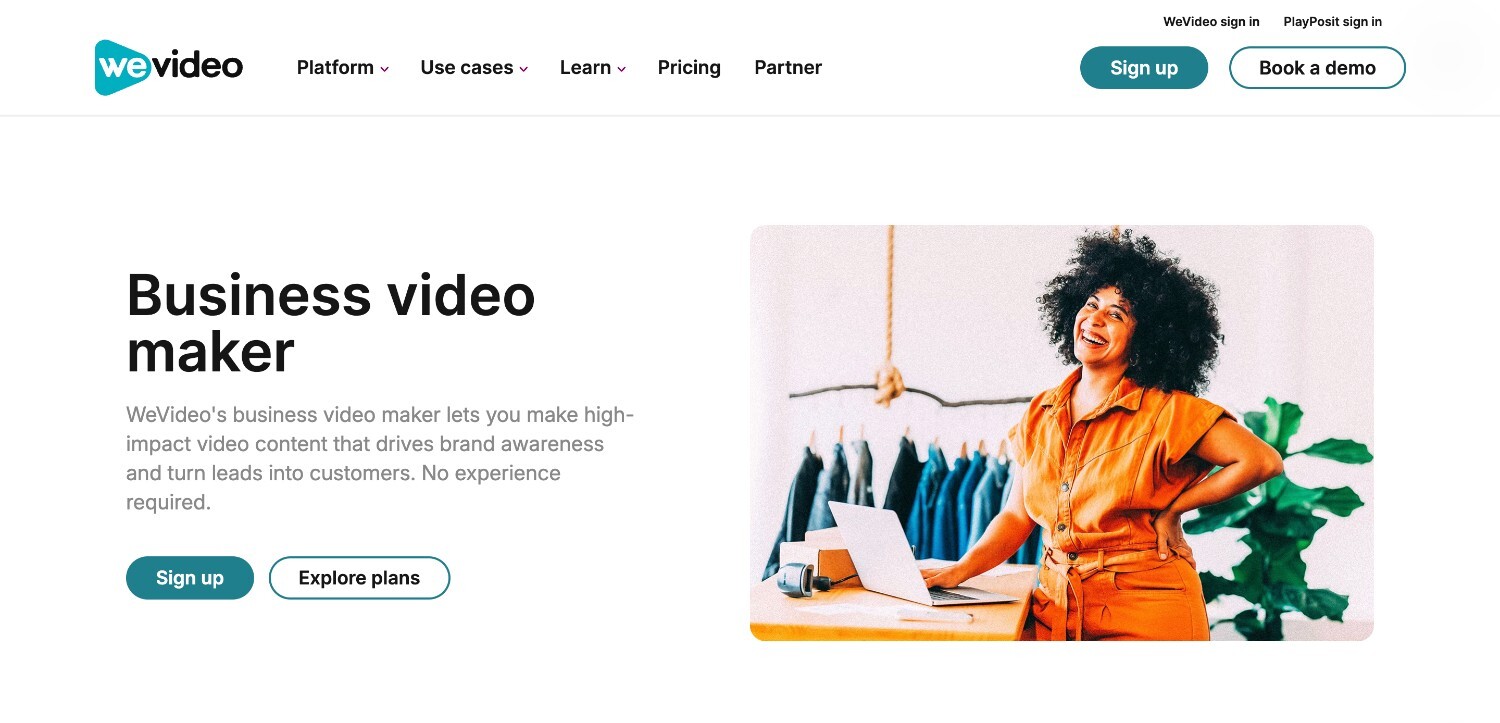
WeVideo is a cloud-based video editing platform useful for small and mid-sized teams, schools, and marketing departments that need shared assets and collaborative editing.
Best for: SMB team video production, education, shared media workflows
Best user: small business teams, schools, marketing teams, content teams
Platform: web-based
Pricing note: check WeVideo’s current pricing page before choosing
WeVideo is practical for teams that need cloud access, shared media, and consistent editing workflows without installing professional desktop software.
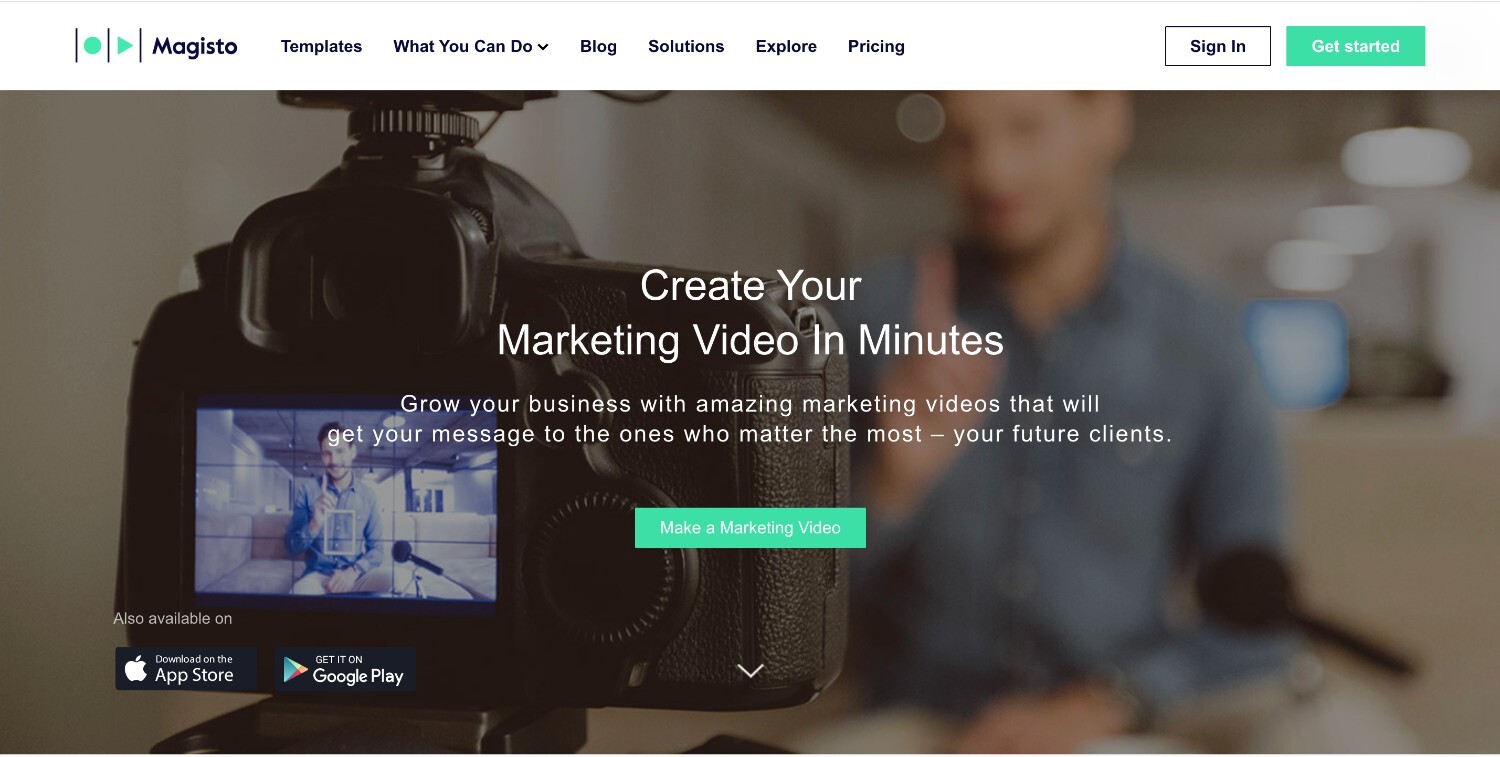
Magisto can still be useful for marketers and small businesses that want quick automated edits synced to music. It is best treated as a simple automated video creation option for quick promotional content, not as a full-featured editor for complex projects.
Choose it if you need fast, simple marketing edits. Skip it if you need precise timeline control, brand-heavy editing, or advanced AI effects.
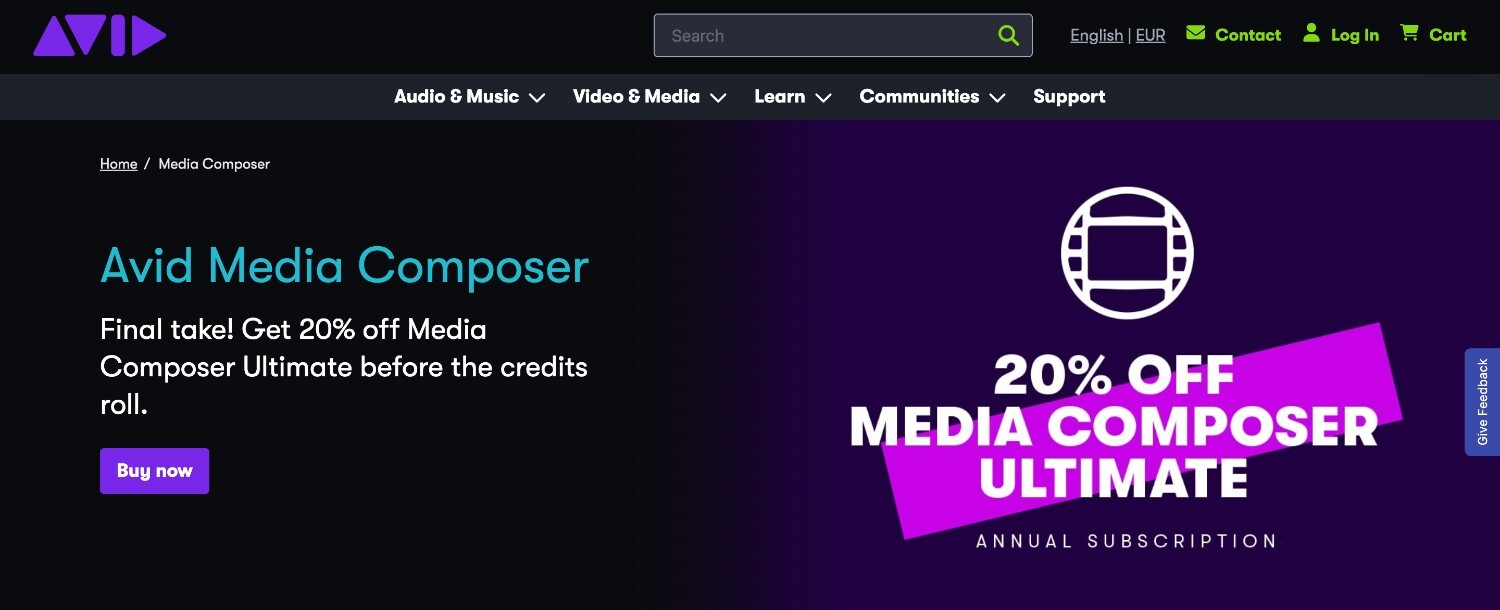
Avid Media Composer is an enterprise-level professional editing solution for studios, broadcasters, and large media teams.
Best for: enterprise editing, studios, broadcasters, secure team workflows
Best user: large production teams, post-production houses, broadcasters
Platform: desktop and enterprise workflows
Pricing note: check Avid’s current pricing page before choosing
Avid is not the right tool for most casual creators or small businesses, but it belongs in the conversation when the workflow involves large teams, shared projects, role-based permissions, and professional production infrastructure.
Pricing changes often, especially for tools that use AI credits, export minutes, team seats, watermarks, storage, or resolution limits. Use this table as a planning guide, then check the official pricing page before publishing or choosing a plan.
The lowest monthly price is not always the best deal. For AI video editing, the real cost depends on how many videos you make, how often you export, whether you need team access, whether watermarks matter, and how much manual editing you still need after the AI does its part.
AI video editors can save a lot of time, but they still need human review.
This is why the best workflow is not “let AI edit and publish immediately.” A better workflow is:
Draft → review → edit → brand → export → test.
AI can help you move faster. It should not replace your judgment.
There is no single best AI video editor for everyone.
If you want an all-in-one browser-based workflow for branded videos, social clips, product promos, explainers, and editable AI-assisted scenes, Renderforest is the strongest overall fit. It gives creators and teams a practical mix of AI editing, templates, branding, voiceovers, aspect ratio control, and exports without requiring advanced editing skills.
If you work mainly with speech-heavy content, Descript is better. If you need creative AI effects, Runway is stronger. If captions and social clips are the priority, Kapwing and Wisecut are useful. If you need professional timeline control, DaVinci Resolve is hard to beat. If your content is training-focused, Camtasia and Synthesia solve different sides of that workflow. If collaboration is the biggest issue, Flixier and WeVideo are better fits.
The best choice starts with the video you need to make. Once you know the workflow, the right editor becomes much easier to choose.
The best AI video editor overall depends on your workflow. Renderforest is a strong all-in-one choice for branded videos, social clips, explainers, product promos, and AI-assisted scene editing. Descript is better for podcasts and interviews, Runway is better for creative AI effects, and DaVinci Resolve is better for professional editing control.
Renderforest, Kapwing, Canva Pro, and Filmora are good beginner-friendly options. Renderforest is especially useful if you want AI assistance, templates, branding, and editable scenes in one online workflow.
Kapwing, Filmora, Wisecut, and Renderforest are strong choices for social media videos. Kapwing is useful for captions and resizing, Wisecut is helpful for fast cuts, Filmora gives creators timeline control, and Renderforest supports branded social video creation.
Descript is strong for talking-head and interview-style YouTube videos. Wisecut is useful for removing pauses and adding captions. Filmora is good for creator-style timeline editing. Renderforest works well for branded YouTube videos, explainers, promos, intros, and scene-based edits.
Descript is one of the best choices for podcast editing because it lets you edit audio and video through a transcript. It is useful for interviews, clips, captions, and talking-head podcast videos.
Camtasia is strong for training videos that need screen recording, annotations, and tutorials. Synthesia is better for avatar-led training videos. Renderforest is useful for branded educational videos, explainers, and training-style video content.
An AI video editor helps refine, cut, caption, resize, polish, or improve videos. An AI video generator creates new video scenes from prompts, scripts, images, or documents. Some tools, like Renderforest, combine both editing and generation workflows.
Yes. Many AI video editors can add captions or subtitles automatically. Kapwing, Descript, Wisecut, Renderforest, and several other tools support captioning or text-based workflows, though captions should still be proofread before publishing.
Yes. Tools like Descript and Wisecut are especially useful for removing pauses, filler words, and awkward gaps in speech-heavy videos. The results should still be checked manually so the final edit sounds natural.
Some AI video editors offer free plans, trials, or limited exports. Free plans may include watermarks, export limits, lower resolution, storage limits, or restricted AI features. Check each tool’s current pricing page before choosing.
No. AI video editors can speed up repetitive tasks, but they do not fully replace professional judgment, storytelling, pacing, brand taste, or creative direction. They are best used as editing assistants.
Check the editing workflow, AI features, ease of use, manual control, brand options, collaboration features, export formats, caption quality, pricing model, watermark rules, and whether the editor fits your exact video type.
Share this


Article by: Sara Abrams
Sara is a writer and content manager from Portland, Oregon. With over a decade of experience in writing and editing, she gets excited about exploring new tech and loves breaking down tricky topics to help brands connect with people. If she’s not writing content, poetry, or creative nonfiction, you can probably find her playing with her dogs.
Read all posts by Sara Abrams