AI
Turning text into video used to mean handing a script to a production team, searching for visuals, recording voiceover, building scenes, editing transitions, adding captions, and exporting the final version manually.
Now, AI text-to-video generators can do much of the first draft for you.
You write a prompt, script, product description, lesson idea, blog excerpt, or social caption. The tool turns it into a video with scenes, visuals, narration, captions, music, avatars, animations, or AI-generated footage. Some tools are built for branded business videos. Some are better for training. Some turn blog posts into clips. Others generate cinematic scenes from prompts.
The hard part is no longer finding an AI tool. The hard part is choosing the right type of tool for the video you actually need.
This guide compares the best AI text-to-video generators in 2026, including Renderforest, Pictory, Synthesia, InVideo, Runway ML, Powtoon, and VEED.io. It also explains what each tool is best for, where it falls short, and how to choose based on your workflow.

The best AI text-to-video generator depends on what kind of video you need to create.
Renderforest is a strong all-in-one option for turning scripts, prompts, and written ideas into branded videos with scenes, visuals, voiceovers, and editing tools. Pictory is best for turning blog posts and transcripts into short videos. Synthesia is best for avatar-led training and presentation videos. InVideo is useful for fast social and marketing videos. Runway ML is best for creative prompt-to-video generation. Powtoon works well for animated explainers and internal communication. VEED.io is useful for quick browser-based videos with subtitles and voiceovers.
For most business, marketing, education, and creator workflows, the best tool is not the one with the most advanced AI model. It is the one that turns your text into a video you can actually edit, brand, and publish.
The right choice depends on the output you need. A training manager does not need the same tool as a filmmaker testing cinematic AI scenes. A social media manager does not need the same workflow as a company building onboarding videos. That is why comparing these tools only by “AI power” is not enough.
An AI text-to-video generator is a tool that turns written input into video. The input can be a prompt, script, product description, lesson plan, blog excerpt, social caption, training message, or marketing idea.
The output may include video scenes, AI-generated visuals, stock footage, animations, voiceover, subtitles, avatars, music, transitions, on-screen text, branded layouts, and export-ready video files.
Some tools create structured videos from scripts. Others generate short cinematic clips from prompts. Some focus on avatar presenters, while others focus on branded marketing videos, educational explainers, or fast social content.
A good AI text-to-video generator should help with three things:
The final point matters most. A text-to-video tool is useful only if the first draft can become a finished video without fighting the software.
“Text-to-video” is now a broad category. Two tools can both accept text, but create completely different outputs.
This distinction prevents the biggest mistake people make when comparing AI video tools: expecting every tool to do the same job.
If you need a polished brand video, choose a structured video generator. If you need an avatar presenter, choose an avatar platform. If you need experimental visuals, choose a generative model. If you need captions and quick edits, choose a browser editor.
We evaluated these tools based on practical workflow, not only feature lists.
The strongest tools do not only generate video. They help you move from written idea to finished asset with less friction.
Before choosing a tool, ask what you need after the video is generated.
A flashy demo is not enough. You need a tool that can create videos you will actually publish.
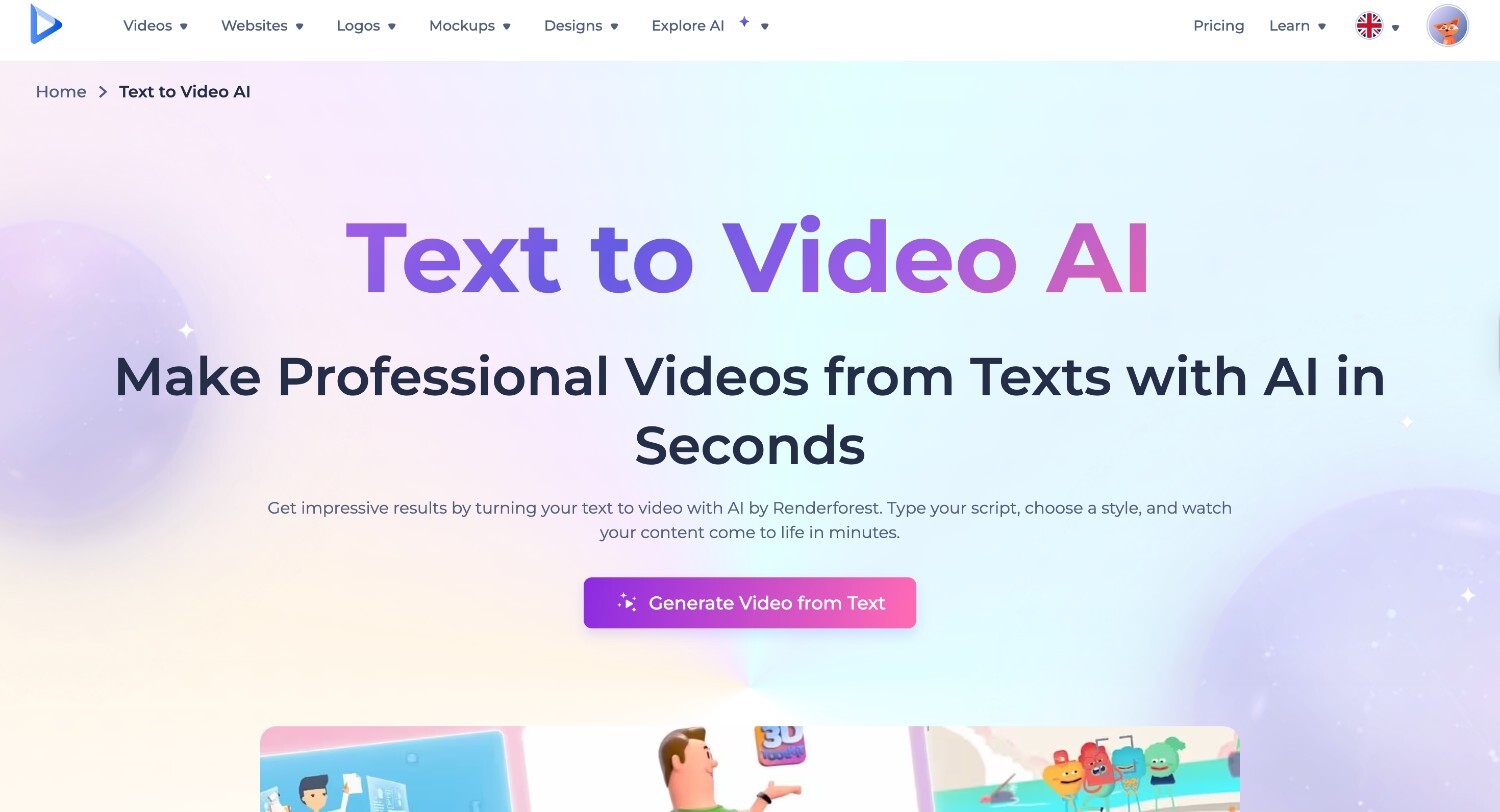
Renderforest is the best fit for marketers, small businesses, educators, creators, agencies, and teams that want to turn scripts or written ideas into polished videos without starting from a blank timeline.
It works especially well for product explainers, social videos, brand promos, educational clips, internal updates, tutorials, and short marketing videos.
Best for: all-in-one branded text-to-video creation
Best users: marketers, educators, creators, agencies, small businesses, content teams
Best text-to-video use case: turning scripts, prompts, or ideas into structured videos with visuals, voiceover, and branding
Renderforest’s strength is that it combines generation, editing, branding, and exporting in one workflow.
With Renderforest’s Text-to-Video AI, users can start with a script or short idea, refine the text, choose a visual style, and generate a draft video. Renderforest’s AI Video Generator also supports videos from text, images, or scripts, with visuals, voiceovers, scenes, and editing tools in one workspace.
Useful strengths include:
For teams, the biggest advantage is control. Renderforest can generate a useful first draft, but users can still edit scenes, replace visuals, adjust text, change transitions, add music, and modify layout before export.
Renderforest is not the right tool if you need deep professional timeline editing, advanced film post-production, or highly experimental cinematic generation only. It is strongest for structured, publishable, brand-friendly videos.
Renderforest offers a free plan, with paid plans unlocking additional quality, branding, and export options. Pricing and plan details can change, so check the current Renderforest pricing page before publishing specific numbers.
Choose Renderforest if you need an accessible, brand-ready AI text-to-video generator that can turn scripts, ideas, or prompts into videos for marketing, education, social media, business communication, and content repurposing.
Skip Renderforest if your main goal is experimental cinematic AI footage or professional film-level timeline editing.

Pictory is built for content repurposing. It is useful when you already have written or recorded material and want to turn it into shorter videos.
It works well for blog posts, transcripts, webinars, podcast highlights, and long-form content that needs to become social clips or short educational videos.
Best for: blog-to-video and transcript-to-video repurposing
Best users: content marketers, bloggers, publishers, educators, webinar teams
Best text-to-video use case: turning existing written content into short videos
Pictory is useful when the text already exists. Instead of starting from a blank prompt, you can use a blog post, script, or transcript as the source material.
For content teams, Pictory can save time by helping turn existing articles and transcripts into more visual assets.
Pictory is less flexible when you need deep brand control, highly customized motion design, or advanced editing. Its outputs can also feel template-based if you do not review and customize them.
Pictory commonly offers a free trial and paid plans. Check current pricing before publishing exact numbers.
Choose Pictory if your main goal is to repurpose blog posts, articles, transcripts, or webinars into short videos.
Skip Pictory if you need stronger design control, highly customized visuals, or a broader brand video workflow.
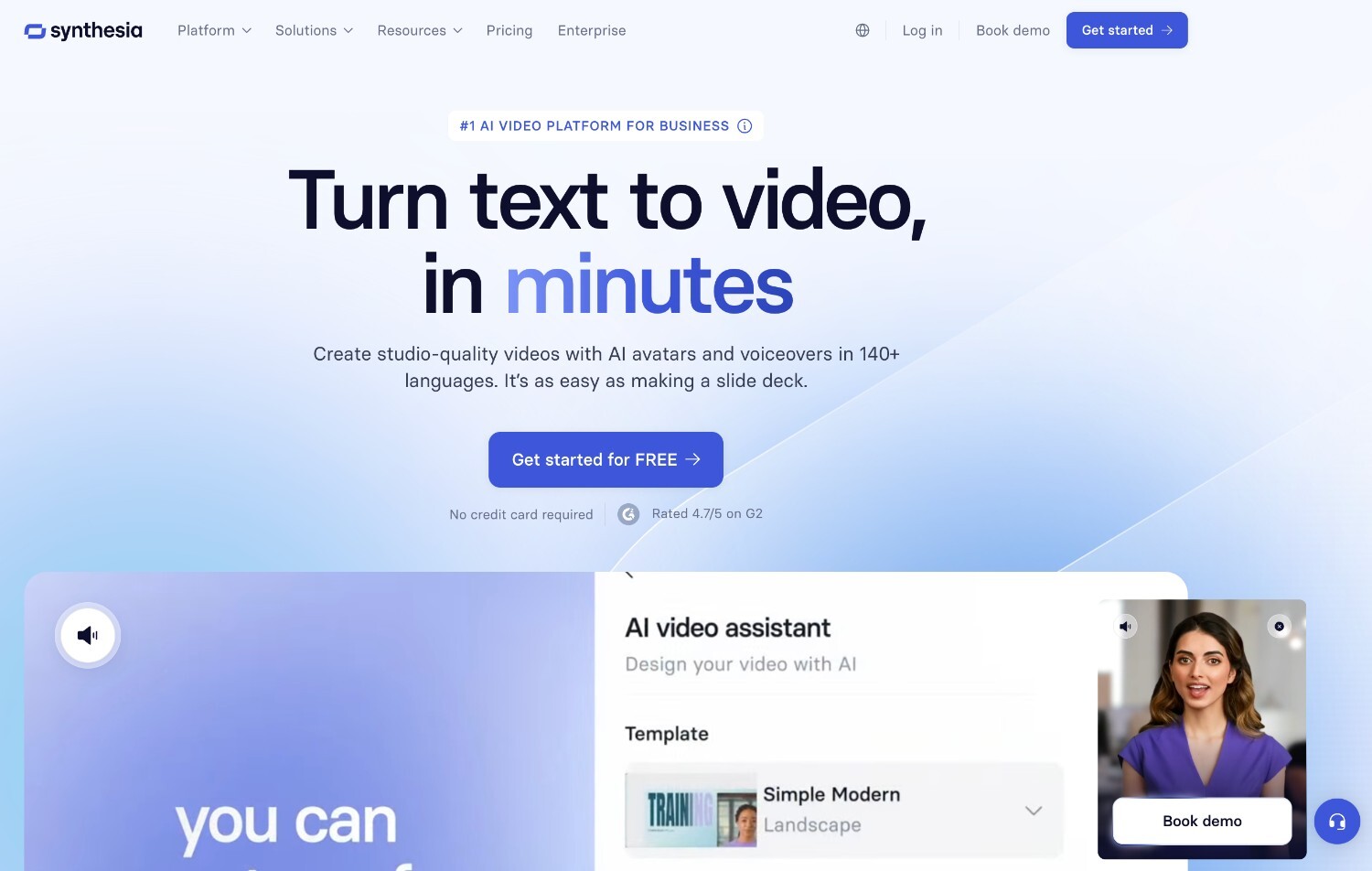
Synthesia is best known for AI avatar videos. Users type a script, choose a presenter, and create a video where the avatar speaks the text.
It is especially useful for training, onboarding, product education, internal communication, compliance videos, and corporate presentations.
Best for: avatar-led videos
Best users: HR teams, training teams, educators, enterprise teams, internal communication teams
Best text-to-video use case: turning scripts into presenter-style videos
Synthesia is strong when you need a polished presenter-style video without filming a real person.
For internal training, Synthesia can be very efficient because it gives companies a consistent format for video lessons and updates.
Synthesia is not the best fit for dynamic social videos, cinematic scenes, animated explainers, or visually varied marketing videos. The avatar format is useful, but it can also feel limiting if every video needs movement, atmosphere, or brand storytelling.
Synthesia pricing and free/demo options can change. Check the current Synthesia pricing page before publishing specific plan details.
Choose Synthesia if you need avatar-led training, onboarding, explainer, or presentation videos without filming presenters.
Skip Synthesia if you need fast social clips, cinematic AI footage, or highly visual brand storytelling.
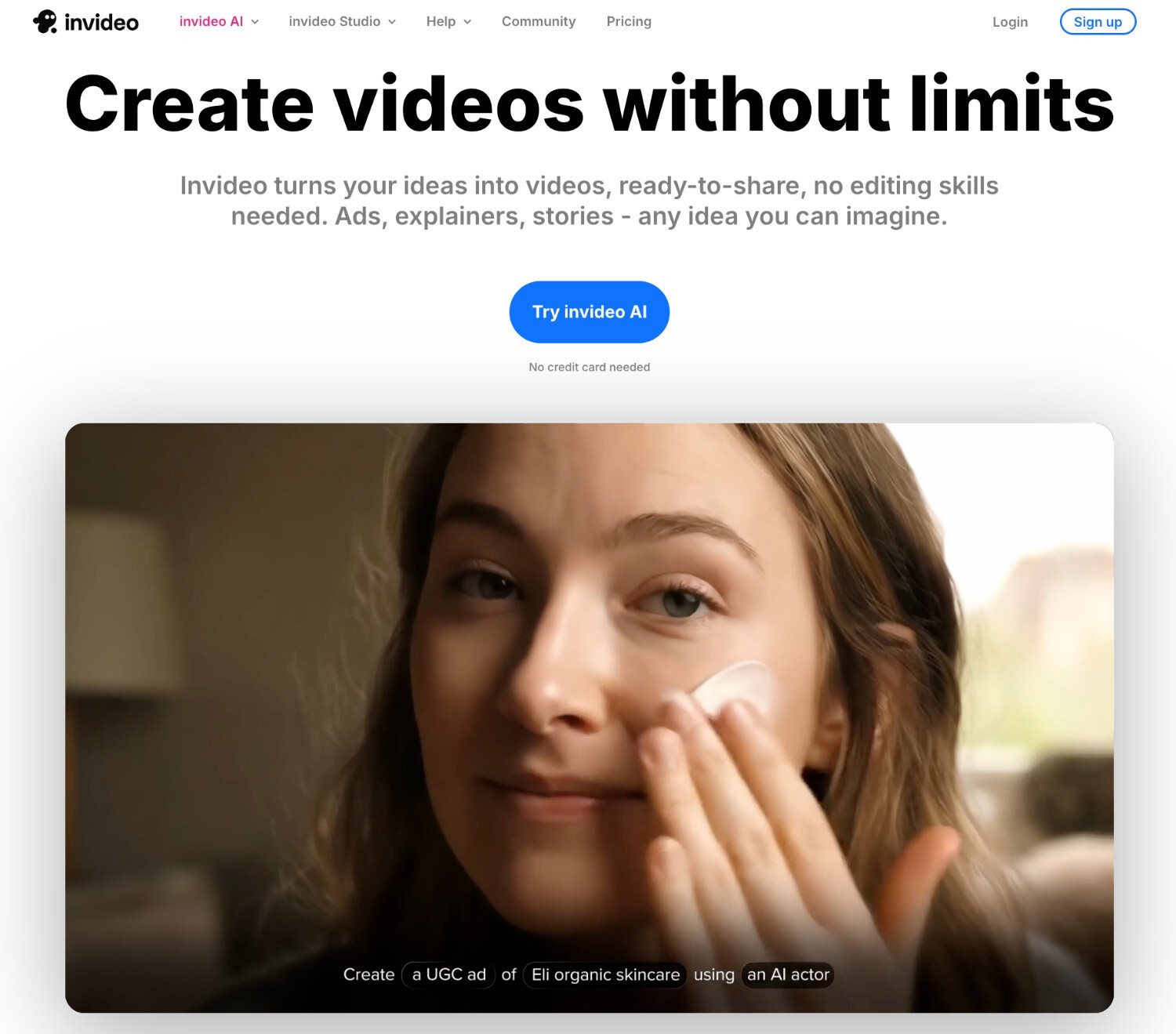
InVideo is useful for creators and marketers who want to turn scripts, prompts, or short ideas into social and promotional videos.
It is a good fit for YouTube Shorts, Instagram Reels, TikTok-style clips, product promos, ads, and fast content production.
Best for: social media and promo videos
Best users: social media teams, creators, small businesses, marketers
Best text-to-video use case: turning short scripts into fast, platform-ready videos
InVideo is useful when speed and platform formatting matter.
For creators and marketing teams, InVideo can help turn a short campaign idea into a publishable draft quickly.
Because it relies heavily on templates and fast production workflows, some videos can feel generic unless they are customized carefully. Teams that need strong brand consistency may need extra editing time.
InVideo commonly offers a free plan and paid plans. Check current pricing before publishing specific numbers.
Choose InVideo if you need fast social videos, promos, ads, or short campaign content from scripts.
Skip InVideo if you need avatar-led training, deep creative generation, or highly customized brand systems.
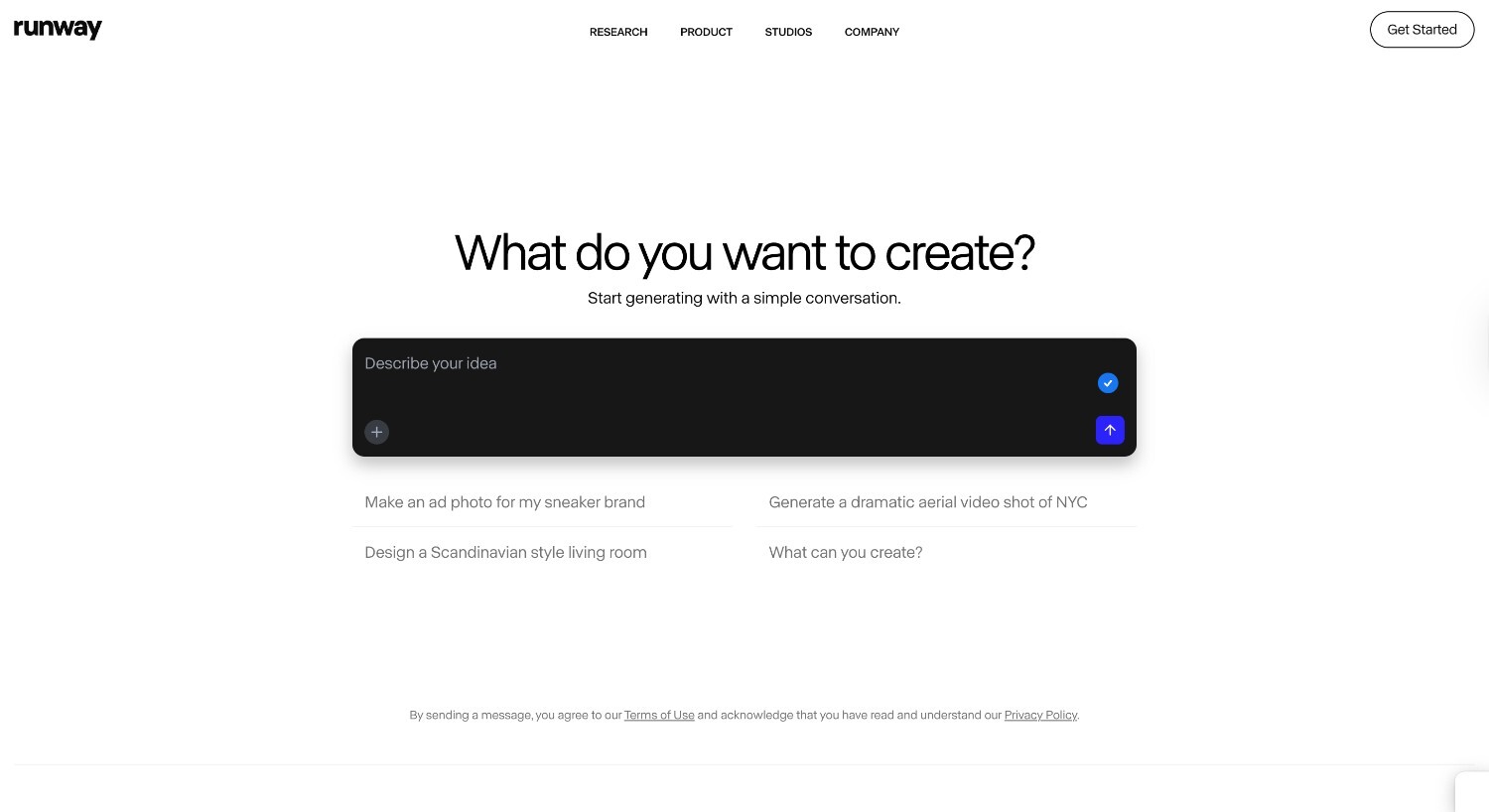
Runway ML is best for creators who want to generate visual scenes from prompts. It is more experimental and creative than most structured script-to-video platforms.
It works well for concept visuals, cinematic experiments, mood films, creative storytelling, music visuals, design exploration, and generative scene testing.
Best for: creative prompt-to-video generation
Best users: designers, filmmakers, creative teams, artists, visual storytellers
Best text-to-video use case: turning descriptive prompts into AI-generated video clips
Runway is strong when you want to create visuals that do not come from templates or stock libraries.
For creative teams, Runway can help test ideas quickly before committing to production.
Runway is not the best choice for structured business videos, branded explainers, training modules, or repeatable marketing templates. Outputs can also be unpredictable, which is common with creative generative models.
Runway commonly offers free credits or a limited free plan, with paid plans for higher usage. Check current pricing before publishing exact details.
Choose Runway if you want experimental visuals, cinematic concepts, or prompt-generated scenes.
Skip Runway if you need predictable branded videos, structured scripts, voiceover-led explainers, or business templates.
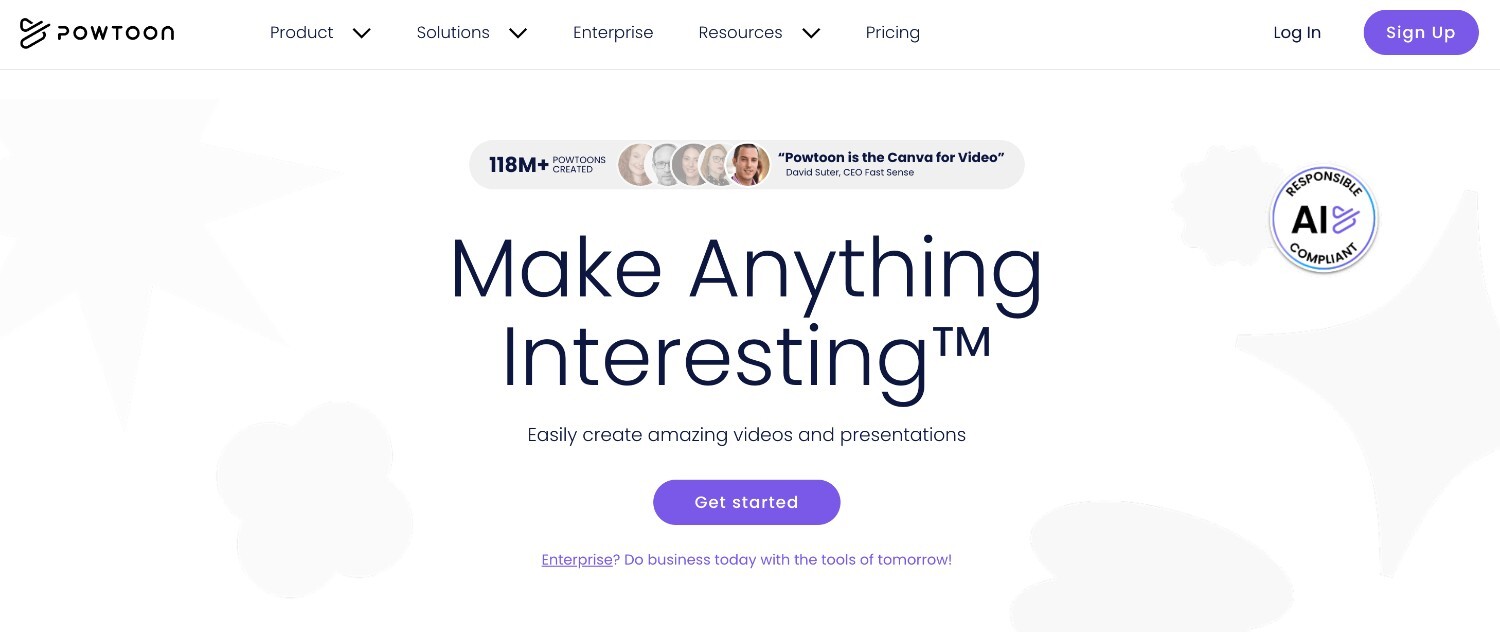
Powtoon is a strong fit for animated explainers, educational videos, internal updates, and presentation-style content.
It works well when the goal is clear communication rather than cinematic realism.
Best for: animated explainers
Best users: educators, HR teams, internal comms teams, trainers, small businesses
Best text-to-video use case: turning scripts into animated explanation videos
Powtoon is useful for teams that want animated videos without complex animation software.
It is a practical tool for turning a written explanation into a visual learning asset.
Powtoon is less suited for realistic visuals, advanced AI-generated footage, cinematic scenes, or avatar-led videos. The style is more animated and template-based.
Powtoon commonly offers a free plan and paid plans. Check current pricing before publishing exact numbers.
Choose Powtoon if you need animated explainers, internal communication videos, or education-focused content.
Skip Powtoon if you need realistic footage, cinematic prompt-to-video output, or avatar-led training.
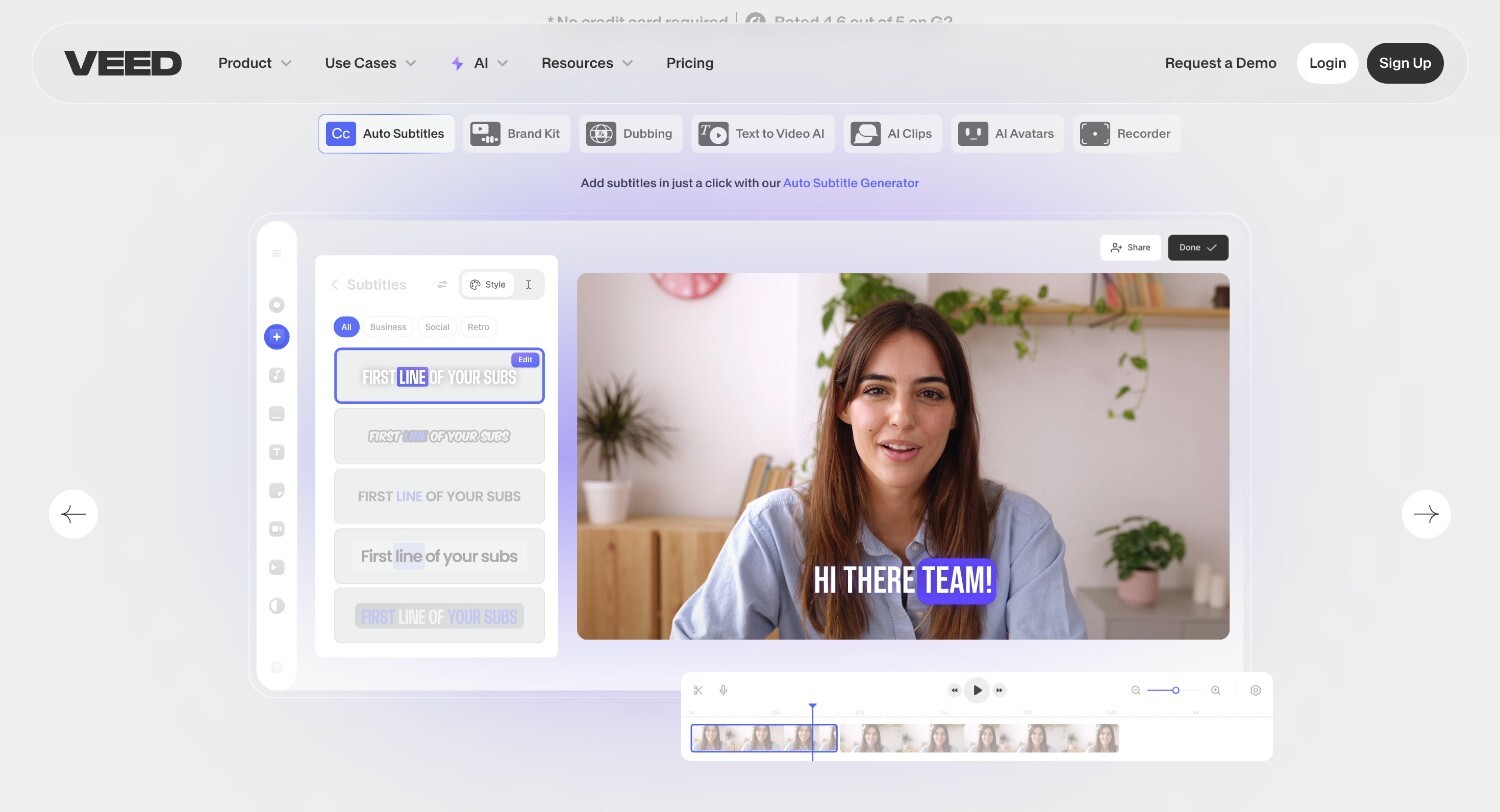
VEED.io is a browser-based video editor with AI tools for subtitles, voiceovers, and quick video creation.
It is useful for creators, educators, social teams, and small businesses that want a simple workflow without downloading editing software.
Best for: browser-based editing, subtitles, and voiceovers
Best users: creators, educators, social media teams, small businesses
Best text-to-video use case: turning short text into simple videos and refining them in a browser
VEED is strong when the video needs captions, voiceover, quick edits, and easy export.
It is a good option for short tutorials, social content, captions, and fast video cleanup.
VEED is not the deepest text-to-video generator in this list. It is strongest as an AI-assisted editor and captioning platform rather than a full structured script-to-video system.
VEED commonly offers a free plan and paid plans. Check current pricing before publishing specific details.
Choose VEED if you need quick browser-based editing, subtitles, voiceovers, and simple social videos.
Skip VEED if you need a more complete branded text-to-video workflow, avatar videos, or creative generative scenes.
Tools and models like Sora, Veo, Kling, Pika, and Luma are often discussed as generative AI video models. They can be impressive for cinematic clips, creative experimentation, and prompt-based visual generation.
But they are not always the best fit for someone who needs structured business videos, branded explainers, training content, voiceovers, subtitles, templates, or repeatable publishing workflows.
For this guide, we focus mainly on AI text-to-video generators that help users turn scripts, prompts, blog content, lessons, or business messages into publishable videos with practical editing and distribution options.
That said, the line between categories is getting thinner. Some platforms, including Renderforest’s AI Video Generator, now bring multiple AI video models and editing tools into one workspace. This is useful because users can start with text or prompts, generate video, and still refine the result before exporting.
The simplest rule is this:
The quality of the video depends heavily on the quality of the input.
A vague prompt gives the AI too little direction. A specific prompt tells the tool what kind of video to build.
Weak prompt:
Make a video about productivity.
Better prompt:
Create a 60-second vertical video for small business owners about three simple productivity habits. Use a friendly, practical tone. Include quick scene changes, captions, light background music, and a final CTA to read the full guide.
A strong text-to-video prompt should include:
Here is a better full example:
Create a 90-second 16:9 explainer video for marketing teams about how to turn blog posts into videos. Use a clear, professional tone. Structure it into five scenes: problem, why video helps, how AI turns text into scenes, how to edit the draft, and final CTA. Use captions, light background music, clean motion graphics, and a CTA to try Renderforest’s Text-to-Video AI.
Good prompts save editing time because they give the AI a real creative brief.

AI text-to-video tools can create strong first drafts, but they are not perfect.
Common problems include:
This is why human review still matters.
AI can turn text into a draft. A person still needs to check whether the video says the right thing, uses the right visuals, matches the brand, and gives the viewer a reason to watch until the end.
The best workflow is:
Prompt or script → AI draft → scene review → visual edits → captions and voiceover check → branding → export.
The best AI text-to-video generator is the one that matches your workflow.
If you need branded videos from scripts, prompts, or written ideas, Renderforest is the strongest all-in-one option. It gives marketers, educators, creators, and small teams a practical way to turn text into structured videos with visuals, voiceover, branding, and editing tools.
If you want to turn blog posts or transcripts into videos, choose Pictory. If you need avatar-led training, choose Synthesia. If you want social videos from scripts, choose InVideo. If you want experimental prompt-to-video scenes, choose Runway ML. If you need animated explainers, choose Powtoon. If you need browser-based editing, subtitles, and voiceovers, choose VEED.io.
Do not choose based only on which tool sounds the most advanced. Choose based on what you need the text to become.
A prompt can become many things: a branded explainer, a training video, a TikTok, a product demo, an avatar presentation, or a cinematic AI clip. The best tool is the one that turns your written idea into the right kind of finished video.
The best AI text-to-video generator depends on the use case. Renderforest is a strong all-in-one choice for branded videos from scripts and prompts. Pictory is best for blog posts and transcripts. Synthesia is best for avatar-led training. InVideo is useful for social videos. Runway ML is best for creative prompt-to-video generation. Powtoon works well for animated explainers, and VEED.io is useful for subtitles and browser editing.
Many AI text-to-video tools offer free plans or free trials, including Renderforest, InVideo, Runway, Powtoon, VEED.io, and Pictory in some form. The best free option depends on what you need to test: branded video creation, social clips, subtitles, avatars, or creative AI scenes. Always check current plan limits before publishing.
Yes. AI text-to-video generators can turn prompts, scripts, blog excerpts, product descriptions, and lesson ideas into videos with scenes, visuals, narration, captions, music, and transitions. The result should still be reviewed and edited before publishing.
Text-to-video AI specifically turns written input into video. An AI video generator is a broader category that may support text, images, scripts, prompts, templates, avatars, or generative video models. Some platforms, like Renderforest, include both text-to-video and broader AI video generation workflows.
AI text-to-video tools usually help create publishable videos with structure, scenes, captions, voiceover, templates, and editing. AI video models often focus on generating visual clips from prompts. Models are useful for creative scenes, while tools are usually better for business, marketing, education, and repeatable publishing workflows.
Renderforest is a strong choice for marketing videos because it supports scripts, prompts, scenes, visuals, voiceovers, branding, and editing. InVideo is also useful for fast social promos and ad-style videos.
Synthesia is best for avatar-led training and onboarding videos. Renderforest and Powtoon are also useful for explainers, educational modules, and internal communication videos.
InVideo and VEED.io are useful for fast social videos, especially when you need vertical formats, captions, and quick edits. Renderforest is also a good choice when social videos need branding and structured scenes.
Pictory is strong for turning blog posts and transcripts into shorter videos. Renderforest is also useful when you want to turn a blog idea or script into a more branded video with editable scenes and visuals.
A good text-to-video prompt should include the audience, goal, length, platform, tone, visual style, main points, CTA, aspect ratio, and voiceover preference. The more specific the prompt, the more useful the first draft will be.
Yes. AI-generated videos should be edited before publishing. Check the visuals, captions, voiceover, pacing, text, brand consistency, and CTA. AI creates the draft, but human review makes the final video stronger.
Yes. Many AI text-to-video tools can create voiceovers, captions, or subtitles. The quality varies by platform, so always review pronunciation, timing, spelling, and caption accuracy before publishing.
Yes. AI text-to-video tools can help create YouTube explainers, product videos, tutorials, educational clips, and short-form YouTube Shorts. For standard YouTube videos, export in a horizontal 16:9 format. For Shorts, use vertical 9:16.
Yes, especially for marketing videos, product explainers, training content, internal updates, onboarding, social clips, and educational videos. Business users should choose tools with branding, editing control, voiceover quality, and export flexibility.
Check the hook, script accuracy, visual relevance, voiceover quality, captions, pacing, brand consistency, CTA, aspect ratio, and platform requirements. Also make sure the video says something useful, not just something polished.
Share this


Article by: Sara Abrams
Sara is a writer and content manager from Portland, Oregon. With over a decade of experience in writing and editing, she gets excited about exploring new tech and loves breaking down tricky topics to help brands connect with people. If she’s not writing content, poetry, or creative nonfiction, you can probably find her playing with her dogs.
Read all posts by Sara Abrams