

AI
Some logos do not need an introduction.
A bitten apple. A swoosh. Golden arches. A red play button. A flowing white script on a red background. You see the shape or color for a second, and the brand is already in your head.
That is the power of a famous logo. It does not just identify a company. It carries years of advertising, product experience, emotion, memory, culture, and repetition in one simple visual mark.
But famous logos do not become famous by accident. Most of them share the same design principles: simplicity, consistency, distinctiveness, flexibility, and a clear connection to the brand’s personality. Some have hidden meanings. Some are just extremely easy to recognize. Others became iconic because the company used them so consistently for decades that the mark became part of everyday culture.
In this guide, we’ll look at 30 of the most famous logos from global brands, explain why they work, and pull out practical logo design lessons you can use when creating your own brand identity.

Quick answer: what are the most famous logos?
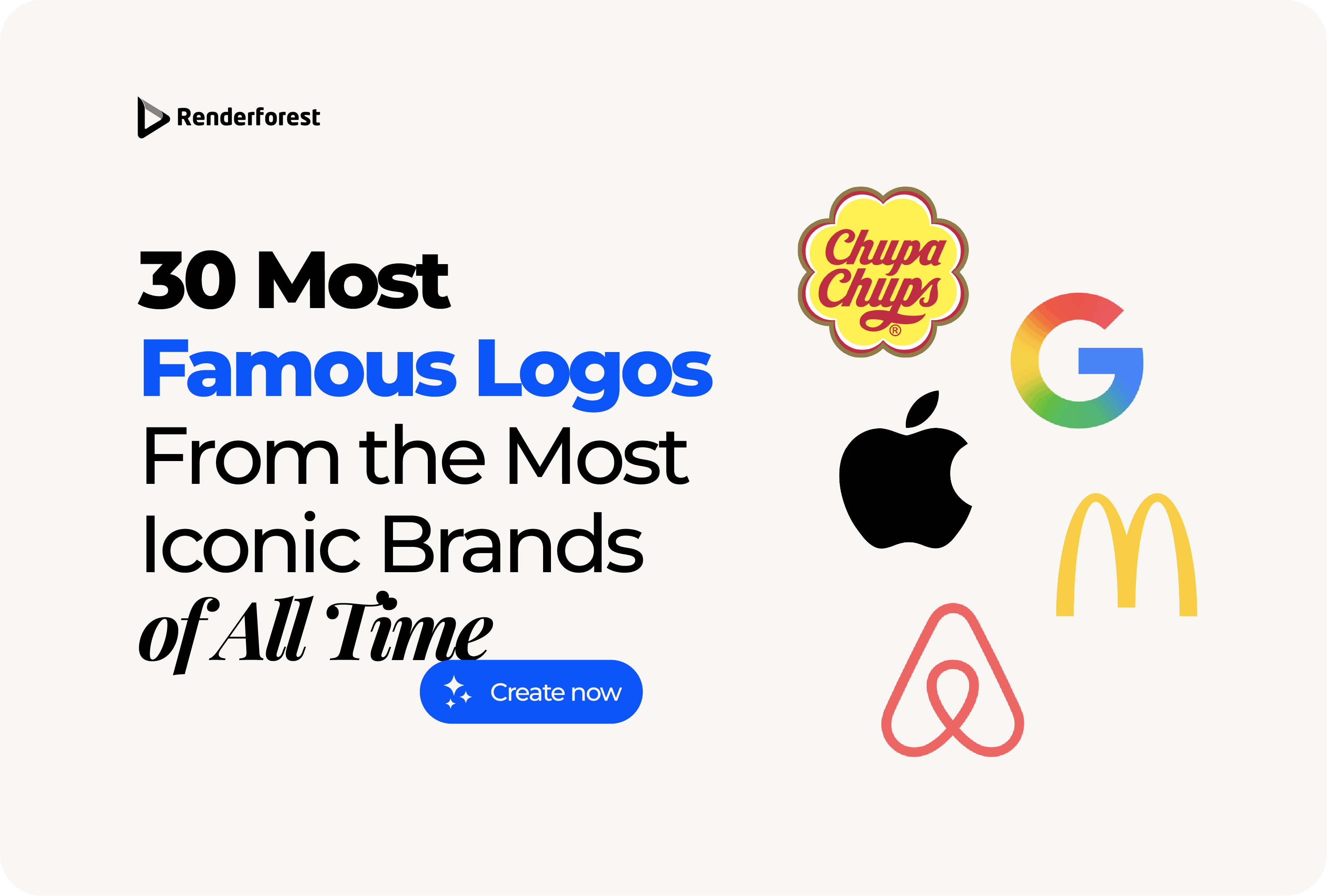
Some of the most famous logos in the world include Apple, Google, Nike, McDonald’s, Coca-Cola, Chanel, Gucci, YouTube, TikTok, WhatsApp, LinkedIn, Starbucks, Pepsi, KFC, Subway, Heineken, KitKat, Twix, and Chupa Chups.
These logos became iconic because they are simple, memorable, distinctive, and consistently used across products, packaging, apps, advertising, stores, websites, and social media.
The strongest famous logos usually have at least one of these qualities:
- A simple shape
- A recognizable color
- A clear brand association
- A memorable symbol
- A distinctive type style
- A strong emotional connection
- Flexibility across platforms
- Long-term consistency
The lesson is not to copy famous logos. The lesson is to understand why they work.
What makes a logo famous?
A logo becomes famous when people can recognize it quickly and connect it to a brand without needing much explanation.
That does not mean the logo has to be complex. In fact, many of the world’s most recognizable logos are surprisingly simple. The Nike Swoosh, YouTube play button, Apple symbol, and McDonald’s arches all work because they are easy to see, easy to remember, and easy to use almost anywhere.
A logo does not become iconic on design alone. It becomes iconic when design and brand experience reinforce each other over years.
30 famous logos at a glance
Famous tech and app logos
Apple
Industry: Technology
Logo type: Symbol
Why it became famous: Apple’s bitten apple is one of the clearest examples of a logo becoming inseparable from product experience. The mark is simple, scalable, and usually appears without explanation. On laptops, phones, packaging, stores, and advertising, the symbol carries the brand before any words appear. Apple’s own trademark guidelines show how carefully the company protects the use of its brand marks.
Design lesson: A logo can become powerful when the product experience is strong enough to give meaning to a simple symbol.
Industry: Technology
Logo type: Wordmark
Why it became famous: Google’s logo is not built around a complex symbol. It is a simple, colorful wordmark that feels approachable, friendly, and digital. The company’s Brand Resource Center also shows how carefully Google manages its logo, product icons, and brand elements across different uses.
Design lesson: A wordmark can become iconic when typography, color, and product usage are consistent enough.
Airbnb

Industry: Travel and hospitality
Logo type: Symbol + wordmark
Why it became famous: Airbnb’s symbol, often called the Bélo, is designed around the idea of belonging. The mark is commonly explained as combining people, places, love, and the letter A. That makes it more than a travel icon. It gives the brand an emotional idea to own.
Design lesson: Hidden meaning can help, but the symbol still has to work as a simple, recognizable shape.
TikTok

Industry: Social media
Logo type: Symbol + wordmark
Why it became famous: TikTok’s logo works because it feels like the product: music, movement, energy, and digital culture. The note-like symbol has strong contrast and a neon-like effect that stands out on a phone screen.
Design lesson: A logo should match the behavior and feeling of the product. TikTok looks like it moves before the app even opens.

Industry: Messaging
Logo type: Symbol
Why it became famous: WhatsApp’s phone receiver inside a speech bubble is almost literal, but that is the point. It tells users exactly what the product does: messaging and calling. The green color also makes the app recognizable on crowded home screens.
Design lesson: For utility products, clarity can be more valuable than cleverness.
Messenger

Industry: Messaging
Logo type: Symbol
Why it became famous: Messenger uses a chat bubble with a lightning bolt, which immediately suggests fast communication. Its newer gradient treatment also gives the app a more energetic, digital feel than a flat blue icon alone.
Design lesson: A familiar shape can still feel fresh if one distinctive detail gives it personality.
Industry: Professional social networking
Logo type: Wordmark + icon
Why it became famous: LinkedIn’s blue wordmark and “in” icon have become strongly associated with professional identity, hiring, networking, and business communication. The compact icon works well in app stores, social sharing, resumes, and website badges. LinkedIn’s own brand guidelines show the importance of consistency for a professional platform.
Design lesson: In B2B branding, trust and clarity often matter more than decoration.
YouTube

Industry: Video platform
Logo type: Symbol + wordmark
Why it became famous: YouTube’s red play button is one of the most direct logo ideas in digital media. It tells users exactly what the platform is about: press play and watch. YouTube’s official brand resources show how important spacing, color, and usage rules are for keeping a famous logo consistent.
Design lesson: If your product has one core action, your logo can build around that action.

Famous fashion and sportswear logos
Chanel

Industry: Fashion
Logo type: Lettermark
Why it became famous: Chanel’s interlocking C’s are elegant, balanced, and easy to recognize even without the word Chanel. The mark feels luxurious because it is simple, symmetrical, and used consistently across packaging, accessories, stores, and fashion items.
Design lesson: A lettermark can feel premium when the typography and spacing are distinctive enough.
Gucci

Industry: Fashion
Logo type: Lettermark
Why it became famous: Gucci’s double-G monogram is tied to the founder Guccio Gucci and the brand’s luxury heritage. The official Gucci history timeline shows how the brand built meaning through products, symbols, materials, and visual identity over time.
Design lesson: Luxury logos often work because they combine restraint, heritage, and repeated use on desirable products.
Nike
Industry: Sportswear
Logo type: Symbol
Why it became famous: The Nike Swoosh is one of the strongest examples of a logo not needing to show the product literally. Nike’s own history of the Swoosh logo connects the mark to motion, sport, and early athletic visibility. The shape feels fast, even when it stands alone.
Design lesson: A single strong shape can carry a whole brand idea if it is used consistently.
Famous food and restaurant logos
Starbucks
Industry: Coffee and retail
Logo type: Emblem/symbol
Why it became famous: Starbucks’ siren is unusual for a coffee brand, which is part of why it works. The brand’s own history of the Starbucks siren explains how the symbol has evolved while remaining recognizable. Over time, the logo became less detailed and more scalable, which helped it work on cups, signage, apps, and packaging.
Design lesson: A logo can become more powerful when it evolves toward simplicity without losing its original character.
McDonald’s
Industry: Fast food
Logo type: Symbol
Why it became famous: The Golden Arches are memorable because they are not just a logo. They started as a highly visible architectural feature and became a symbol people could spot from the road. The current logo keeps that same visual idea simple enough to work on signs, packaging, apps, ads, and uniforms.
Design lesson: A great logo should work in the real environment where customers encounter the brand.
Subway
Industry: Fast food
Logo type: Wordmark
Why it became famous: Subway’s wordmark uses arrows at the beginning and end of the name, reinforcing the idea of entering, ordering, and moving on quickly. The logo’s yellow and green palette also helps it stand apart from the red-heavy fast food category.
Design lesson: A small graphic detail can add meaning to a wordmark without making it complicated.
Baskin-Robbins

Industry: Ice cream
Logo type: Wordmark
Why it became famous: Baskin-Robbins is known for the hidden “31” inside the B and R, a nod to its famous variety of flavors. The logo feels playful because the idea fits the product: color, choice, and fun.
Design lesson: Hidden meaning works best when it reinforces something customers already associate with the brand.
KFC

Industry: Fast food
Logo type: Mascot logo
Why it became famous: KFC’s logo is built around Colonel Sanders, making the brand feel more human and more memorable than a simple wordmark alone. The face creates recognition and gives the brand a story.
Design lesson: A mascot can make a brand more personal when the character is distinctive and consistently used.
Pizza Hut

Industry: Fast food
Logo type: Symbol + wordmark
Why it became famous: Pizza Hut’s red roof shape gives the brand a strong visual cue connected to restaurants, warmth, and familiarity. Even as the logo has changed over time, the roof idea has remained one of its most recognizable elements.
Design lesson: If a brand has one memorable visual asset, protect it during redesigns.

Famous soft drink logos
Coca-Cola

Industry: Soft drink
Logo type: Wordmark
Why it became famous: Coca-Cola’s script logo is one of the strongest examples of brand consistency. Its flowing lettering has stayed close to the brand’s historic visual identity for generations. Design history sources often connect the original script to Frank Mason Robinson and Spencerian lettering, which helped give the brand a distinctive voice early on.
Design lesson: Consistency can be more valuable than constant reinvention.
Pepsi
Industry: Soft drink
Logo type: Symbol + wordmark
Why it became famous: Pepsi’s logo has changed more often than Coca-Cola’s, but it has kept core identity cues: red, white, blue, circular motion, and a bold modern feel. The result is a brand that can evolve while still feeling familiar.
Design lesson: Redesigns work best when they update the expression but preserve recognizable brand memory.
Fanta
Industry: Soft drink
Logo type: Wordmark
Why it became famous: Fanta’s logo feels playful, bright, and youthful. The angular lettering, orange associations, and high-energy style fit a fruit-flavored drink brand that wants to feel fun rather than formal.
Design lesson: Your logo’s personality should match the product’s emotional promise.
Sprite
Industry: Soft drink
Logo type: Wordmark
Why it became famous: Sprite’s green identity, citrus associations, and sharp visual style communicate freshness. The logo does not need to explain every detail of the product. It needs to signal refreshment quickly on a shelf or screen.
Design lesson: Color and category associations can do a lot of branding work.
7UP

Industry: Soft drink
Logo type: Wordmark + symbol
Why it became famous: 7UP’s bright green identity and red dot create strong shelf recognition. The diagonal movement in many versions of the logo also gives the brand energy and lightness.
Design lesson: A simple color system can make a brand easier to find in a crowded category.
Famous beer logos
Budweiser
Industry: Beer
Logo type: Wordmark/bowtie
Why it became famous: Budweiser’s red bowtie shape and script-style wordmark create a sense of heritage, confidence, and mass recognition. The logo feels traditional without being overly complex.
Design lesson: Heritage brands can modernize while keeping one strong identifying shape.
Heineken
Industry: Beer
Logo type: Wordmark + star
Why it became famous: Heineken’s green wordmark and red star are immediately recognizable. The brand has used these elements consistently across bottles, packaging, signage, sports sponsorships, and advertising.
Design lesson: A distinctive secondary symbol, like a star, can make a wordmark more ownable.
Carlsberg
Industry: Beer
Logo type: Wordmark
Why it became famous: Carlsberg’s flowing green script gives the brand a crafted, heritage-driven feel. The typography is not generic. It has enough personality to stand on its own.
Design lesson: A custom wordmark can become the brand’s most recognizable asset.
Corona Extra
Industry: Beer
Logo type: Wordmark + crown
Why it became famous: Corona Extra’s crown and blue-yellow palette create associations with relaxation, sunshine, beaches, and a premium leisure experience. The logo supports the brand world around the product.
Design lesson: A logo works harder when it connects to a full brand atmosphere, not just a product name.
Famous candy logos
Skittles

Industry: Candy
Logo type: Wordmark
Why it became famous: Skittles uses bold color, playful lettering, and rainbow associations to mirror the product experience. The logo feels sweet, bright, and energetic before you even open the package.
Design lesson: Product experience should influence visual identity. If the product is colorful, the logo can lean into that.
KitKat
Industry: Candy
Logo type: Wordmark
Why it became famous: KitKat’s red identity and strong wordmark are easy to recognize on shelves. The brand’s visual system supports the product’s famous “break” idea, making the logo part of a larger habit and message.
Design lesson: A logo becomes stronger when it connects to a simple brand ritual.
Twix
Industry: Candy
Logo type: Wordmark
Why it became famous: Twix has a playful wordmark that supports the idea of two bars and a break-time snack. The logo’s movement and color give the package energy and make it easy to spot.
Design lesson: A logo should help the product feel more ownable in the category.
Chupa Chups
Industry: Candy
Logo type: Emblem
Why it became famous: Chupa Chups has one of the most famous candy logos partly because of its connection to Salvador Dalí. The daisy-like shape makes the logo easy to place on top of a lollipop wrapper, which was a practical design decision as much as an artistic one.
Design lesson: Great logo design often solves a real usage problem, not only an aesthetic one.

What famous logos teach us about logo design
Famous logos are not useful because you should copy them. They are useful because they show how design principles work in the real world.
The biggest lesson is this: a logo does not have to say everything. It has to say one thing clearly and be used consistently enough for people to remember it.
Common logo types used by famous brands
There is no single best logo type. The best choice depends on your brand name, industry, audience, and where the logo will appear.
A short brand name may work well as a wordmark. A long name may need a symbol or lettermark. A food brand may benefit from color and personality. A technology brand may need a simple icon that works at app size.
What not to copy from famous logos
Famous logos are useful for inspiration, but copying them too closely is a mistake.
Do not copy:
- Exact shapes
- Famous color combinations too closely associated with one brand
- Typography that mimics a competitor
- Mascot style
- Hidden symbols
- Logo composition
- Trademarked elements
- Packaging layouts
- App icon treatments
Instead, copy the thinking:
- Simplicity
- Clarity
- Consistency
- Memorability
- Flexibility
- Emotional fit
- Strong brand association
- Practical use across platforms
For example, do not copy Nike’s Swoosh. Learn from its simplicity. Do not copy Coca-Cola’s script. Learn from its consistency. Do not copy McDonald’s arches. Learn from its visibility.
How to create a famous-looking logo for your own brand
A new logo does not become famous overnight. But you can design it using the same principles that make famous logos work.
1. Define what your brand should be remembered for
Before choosing colors or shapes, answer one question:
What should people remember after seeing your logo?
Examples include speed, trust, creativity, luxury, simplicity, freshness, fun, expertise, local identity, or innovation. A logo with no clear idea behind it usually becomes decoration.
2. Choose the right logo type
Pick the format that fits your brand name and industry. If your brand name is short and memorable, a wordmark may work well. If your name is long, a symbol or lettermark may be easier to use. If your brand needs personality, a mascot or emblem may help.
3. Keep the shape simple
Most famous logos are easy to recognize at small sizes. Test your logo as a website header, social media profile image, business card, video watermark, product label, mobile app icon, and packaging sticker. If the logo only works when it is large, it may be too complicated.
4. Choose colors with intention
Color is one of the fastest ways people remember a brand. Red can feel energetic. Blue can feel trustworthy or professional. Green can suggest freshness, health, or growth. Black and white can feel premium, simple, or timeless. But color meaning depends on industry and context, so do not choose based on psychology alone. Choose based on the brand world you want to build.
5. Make the logo flexible
A logo should work in full color, black, white, small, large, horizontal, vertical, digital, and print formats. The best famous logos survive because they can appear anywhere without losing recognition.
6. Customize until it feels ownable
A template or AI-generated direction can be a starting point, but the final logo should feel specific to your brand.
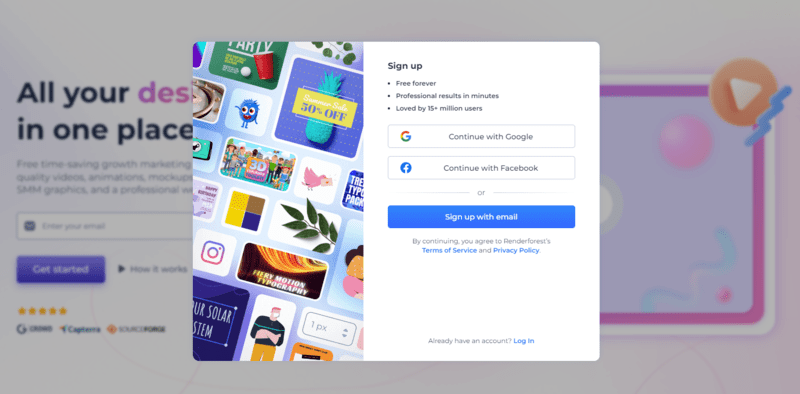
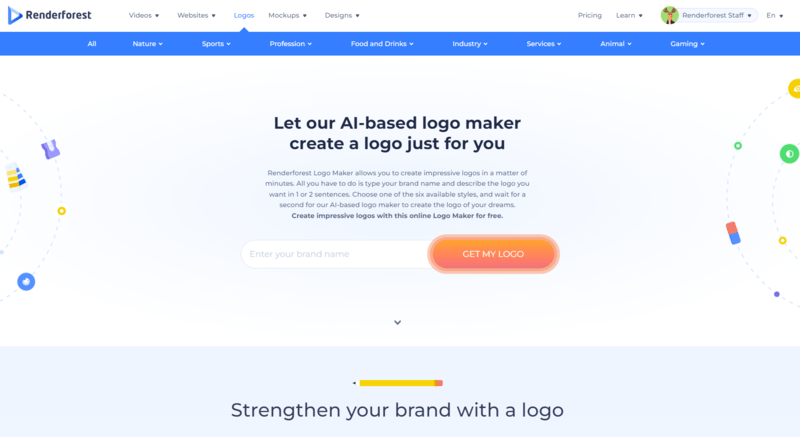
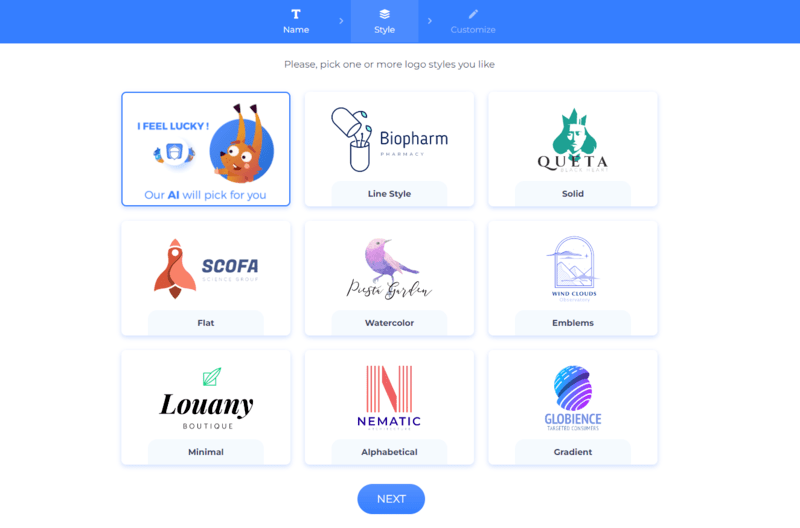
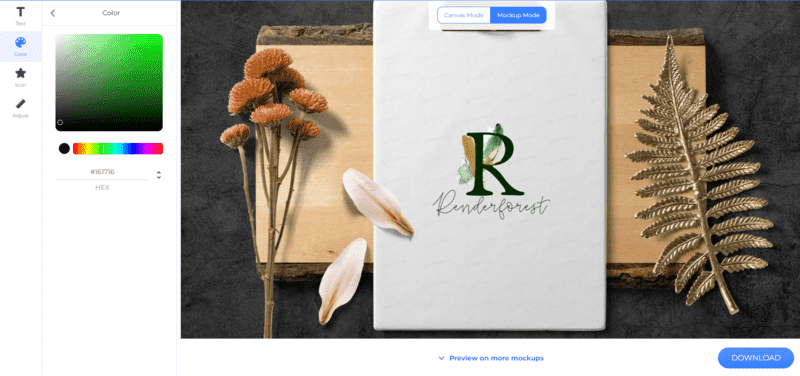
With Renderforest’s Logo Maker, you can choose a professional logo template, customize colors, fonts, and layouts, and create logo designs without needing advanced design experience. Renderforest also offers different logo styles, including line, solid, flat, watercolor, emblems, minimal, alphabetical, and gradient designs.
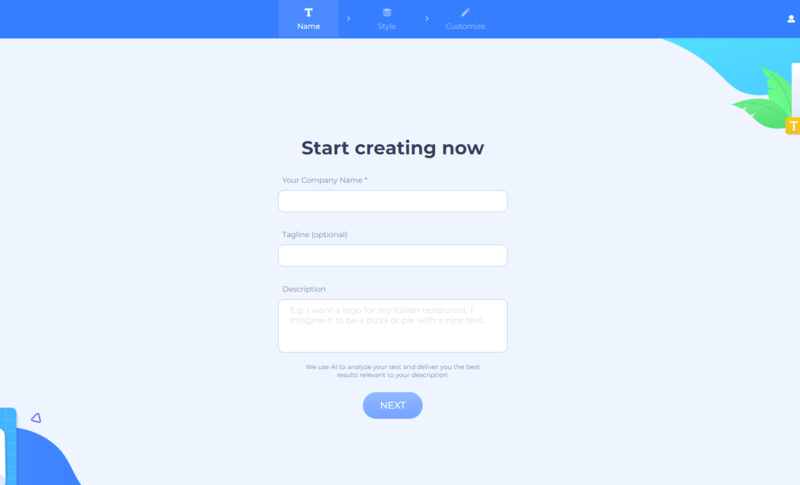
With Renderforest’s AI Logo Generator, you can describe your logo idea, choose a style, and generate logo options that match your direction faster. This is useful if you want to explore multiple concepts before refining the final one.


7. Use the logo consistently
A good logo becomes stronger every time people see it in the same way.
Use consistent colors, spacing, typography, logo versions, backgrounds, placement, and file formats. Fame comes from repetition. Even the best logo will not become memorable if it changes every week.
Final thoughts
The most famous logos are not famous because they are the most complicated. They are famous because they are easy to recognize, strongly connected to the brand, and used consistently over time.
Apple shows the power of a simple symbol. Google shows the strength of a friendly wordmark. Nike proves that one shape can carry an entire brand idea. Coca-Cola shows the value of consistency. McDonald’s shows the importance of visibility. Chanel and Gucci show how lettermarks can become luxury symbols. YouTube, TikTok, WhatsApp, and LinkedIn show how logos must work instantly in digital spaces.
The best way to learn from these brands is not to imitate them. It is to borrow the principles behind them: simplicity, clarity, flexibility, consistency, and meaning.
If you are creating a logo for your own brand, start there. Build something people can recognize, remember, and use everywhere your brand appears.
Create your logo with Renderforest
FAQ
What is the most famous logo in the world?
There is no single official answer because recognition depends on region, industry, and audience. However, logos like Apple, Nike, McDonald’s, Coca-Cola, Google, and YouTube are often considered among the most recognizable logos globally.
What are the most recognizable logos?
Some of the most recognizable logos include Apple, Nike, McDonald’s, Coca-Cola, Google, YouTube, Starbucks, Chanel, Gucci, Pepsi, WhatsApp, TikTok, and LinkedIn.
Why are famous logos so simple?
Simple logos are easier to recognize, remember, resize, print, and use across different platforms. A simple logo also gives the brand room to build meaning through products, advertising, and customer experience.
What makes a logo iconic?
A logo becomes iconic when it is distinctive, memorable, flexible, consistent, and strongly connected to the brand. The design matters, but repeated use over time matters just as much.
Which famous logos have hidden meanings?
Airbnb, Baskin-Robbins, Chupa Chups, Subway, and FedEx are often discussed for hidden or layered meaning. Hidden meaning can add interest, but a logo still needs to work visually even if people do not notice the hidden idea.
What is the best logo type for a new brand?
The best logo type depends on the brand name, industry, and use cases. A short name may work well as a wordmark. A longer name may need a symbol or lettermark. Brands that need personality may consider an emblem or mascot.
Should my logo include a symbol?
A symbol can help if your brand needs an icon for apps, packaging, social media, or merchandise. But not every brand needs one. Some famous brands, like Coca-Cola and Google, rely mainly on wordmarks.
How can I make my logo memorable?
Keep it simple, make it distinctive, choose colors and fonts carefully, test it at different sizes, and use it consistently. A memorable logo should be easy to recognize even when seen quickly.
Can I make a professional logo without design experience?
Yes. Tools like Renderforest’s Logo Maker and AI Logo Generator can help you explore logo directions, customize colors and fonts, and create a brand-ready design without advanced design skills.
What should I avoid when designing a logo?
Avoid copying famous logos, using too many colors, choosing unreadable fonts, relying on tiny details, following trends too closely, or creating a logo that only works in one format.
How often should a brand redesign its logo?
A brand should redesign its logo only when there is a clear reason, such as a major repositioning, outdated design, poor scalability, or a mismatch with the current audience. Many famous brands evolve gradually instead of starting over completely.
What can small businesses learn from famous logos?
Small businesses can learn that a good logo should be simple, clear, flexible, and consistent. You do not need a complicated design. You need a logo that fits your brand and can be used everywhere customers meet you.